Maggie’s Manchester, the kitchen table concept and more…

Please let me share with you an uplifting experience and a new approach to cancer care I discovered recently.

By chance, during an unrelated event in Manchester, I was introduced to a development officer representing Maggie’s, a cancer charity organisation. I was delighted to subsequently receive a personal invitation to visit Maggie’s in Manchester.


Maggie’s Manchester is a new centre at The Christie Hospital (there are 18 other Maggie’s Centres across the UK and others are starting up outside the UK). The Manchester centre’s precise location is very familiar to me (just a stone’s throw away from the labs where I spent my early cancer research years). I was curious to find out more about new holistic approaches to cancer treatment and care.

A few weeks later, I took up the invitation. I dropped in for a chat over coffee, which led to a personal tour; which led to discussions with the development manager and centre head, and a chat with some of the volunteers, patients and their families. What a welcoming experience!
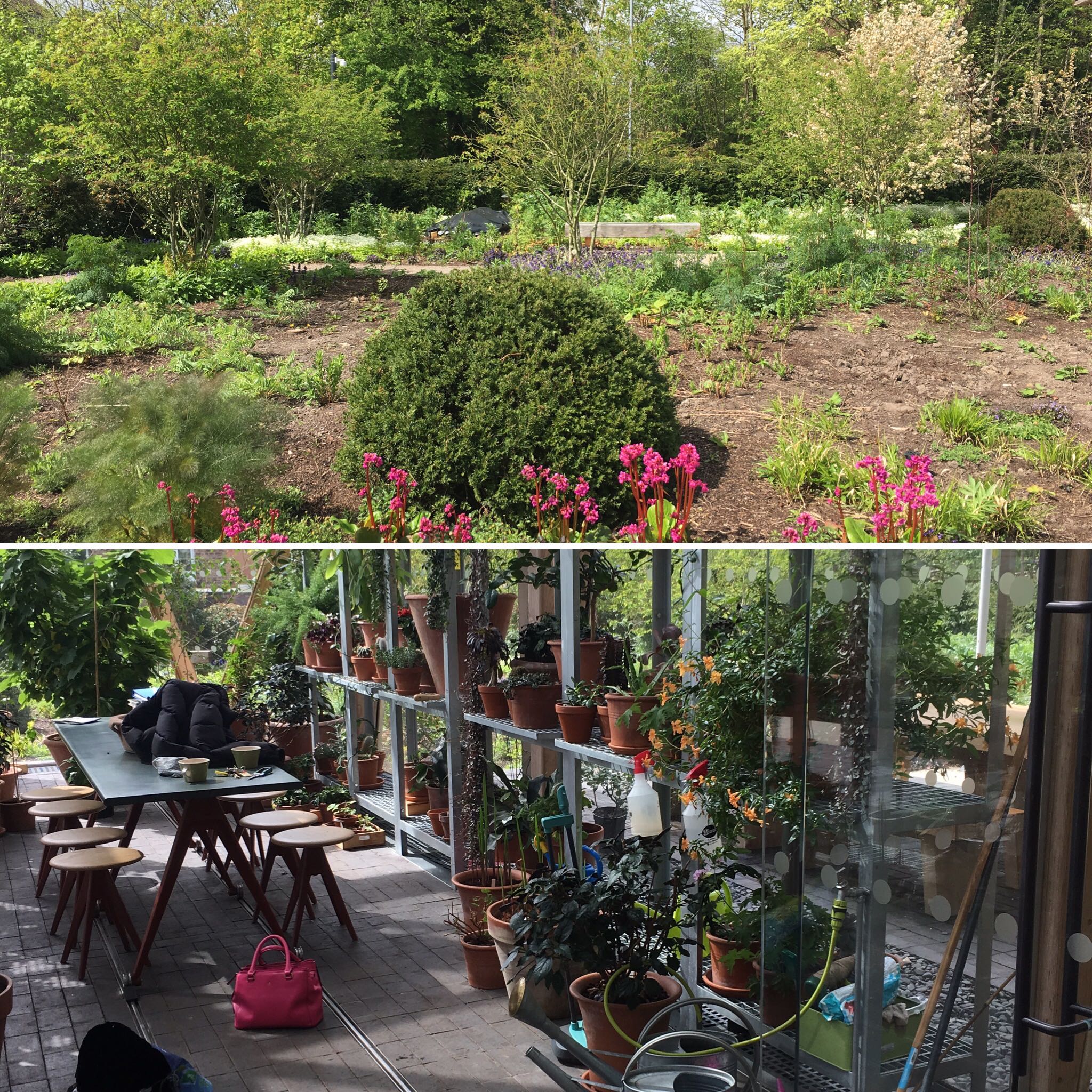
Maggie's Centre Manchester

An immediately striking feature of the centre is its architecture and design. The building is set in gardens and there are areas where people can potter about doing a bit of gardening or just relax and be close to nature. Indoors, there is also an ambience of tranquility, space and natural features. There are open areas for meeting people or making new friends. Smaller meeting rooms provide more privacy for discussions, if preferred. There are also quiet alcoves for anyone just to be alone – perhaps to read a book from the small library which comprises an array of interesting and well-chosen subjects.

A small family group including children were chatting in a comfortable seating area. I can imagine the wood-burning fire is particularly welcoming in the winter months.

Elsewhere, people were making tea and coffee, sampling healthy snacks and chatting round a central feature – the kitchen table.

The kitchen table concept left a memorable impression and I learned this is a key theme of Maggie’s, generally.

‘At the heart of every Maggie’s Centre is a kitchen table: It’s a place to sit and read; a place to talk to other people; a place to find support from professional experts. You can walk into Maggie’s at any time, make yourself a cup of tea and sit down at the kitchen table to think, talk, laugh, cry or simply take a quiet moment. …’

I picked up one of their leaflets about Kitchen Table Days – where this concept extends to fundraising events run by volunteers beyond the centres, for example, in their own homes.

There is an important purpose to Maggie’s centres and they offer a range of services. People diagnosed with cancer can face difficult questions, exhausting treatment and complex emotions. Family and friends are affected too. The centres offer free practical, emotional and social support to people with cancer and their family and friends. An advantage of being located in the grounds of NHS cancer hospitals, is that there are professional staff on hand to offer the support people need. The centres also host and organise free classes, workshops and events.

‘Our Centres are places to find practical advice about benefits and eating well; places where qualified experts provide emotional support; places to meet other people; places where you can simply sit quietly with a cup of tea.’

All in all, it was an interesting day from many different perspectives. From discussions with the centre head I learned about the history and the vision of Maggie’s; the achievements and practical challenges, and some great initiatives. Moreover, it was lovely to meet a community of people supporting each other and supporting others: permanent staff, volunteers, people with cancer and their families and friends.

In the context of a fast-paced, often stressful life these days, Maggie’s is different – it’s an uplifting example of a holistic caring approach. It provides thinking time!

For more information about Maggie’s Manchester click here and about Maggie’s generally click here.

by Dr Julie Charlesworth 5/7/2017
Kew, curiosity and a global perspective

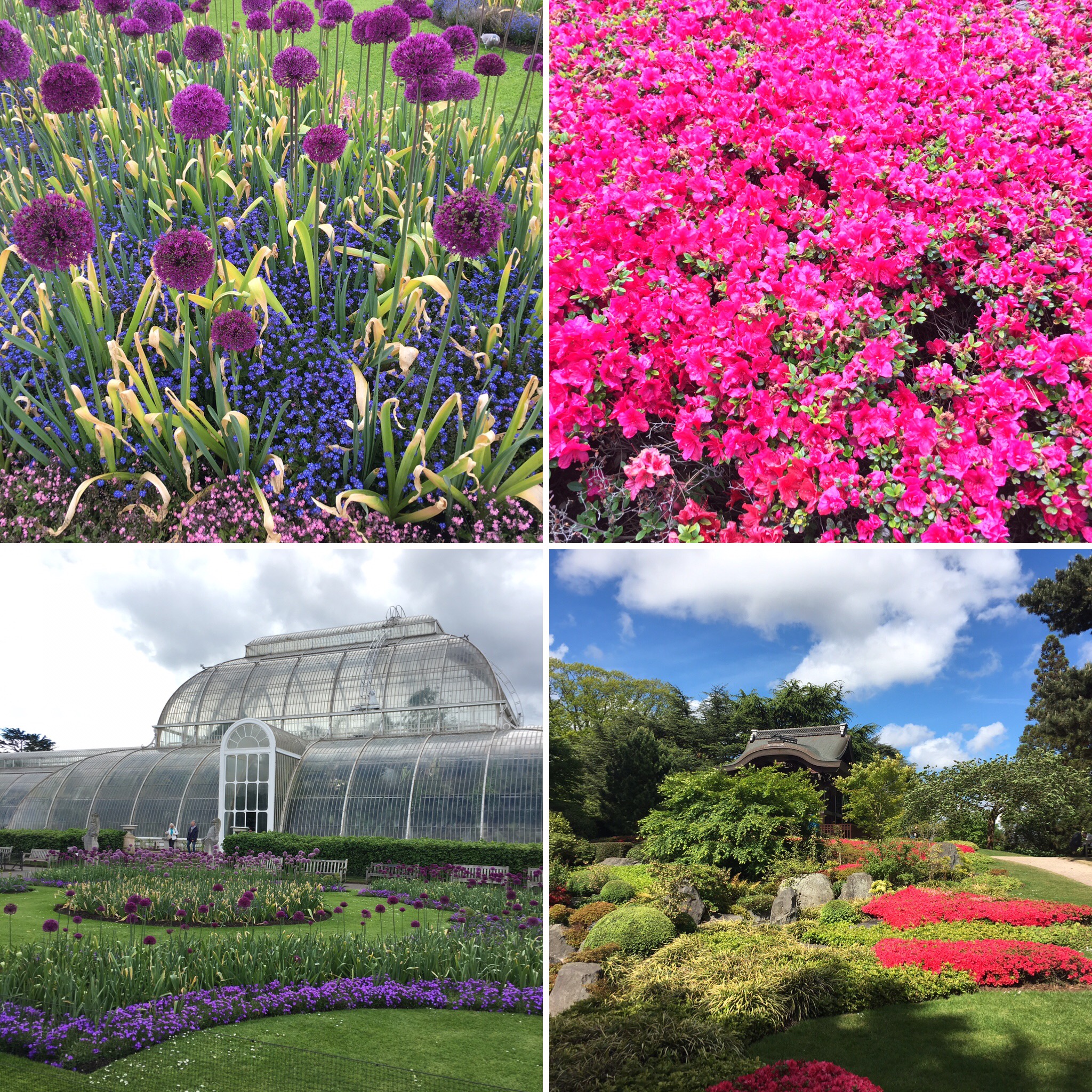
Here are some of the displays and views I captured on film, from a recent visit to Kew Gardens, London. The KEW Gardens experience is inspirational – it has led me to discover some interesting research.

Kew Gardens, London

Whilst some of the most popular indoor sections of the gardens are currently being refurbished, this did mean there was more time to explore the outdoors.

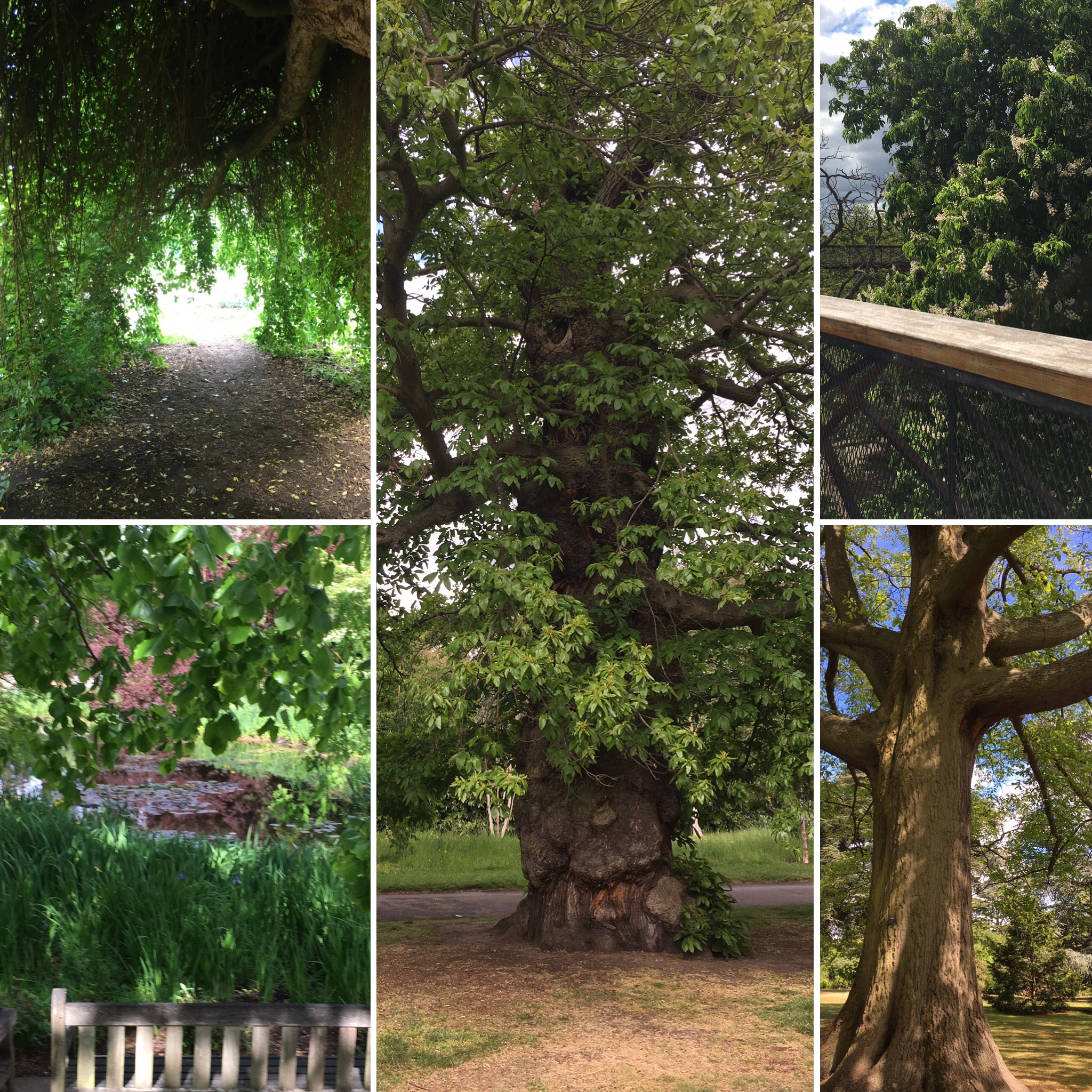
You may have already guessed I have a fondness for trees.

Kew Gardens, London

So, it became a day for some “tree-bathing” – well, that’s a term I recently came across – something which seems to me to be a very natural experience enjoyed by so many for centuries. For example, a walk in the woods and just being close to trees and nature lifts the spirit.

The intermittent showers of rain, interspersed with sunshine contributed to making this a refreshing and happy day out with my daughters (their treat to me – a surprise and a change from a shopping trip – the latter being something I also enjoy and not to be entirely dismissed, of course).

On returning home, I was interested to find out a bit more about ‘Forest bathing’ – the practice of taking a short, leisurely visit to a forest for health benefits which is apparently a recognized relaxation and/or stress management activity in Japan. There is increasing interest elsewhere and there is some interesting science behind this as well.

Moreover, I was curious to find out more about KEW. I also discovered some fascinating collaborative research and a 2017 KEW report providing a world perspective of plant-life.

“A detailed knowledge of plants is fundamental to human life on Earth. Plants underpin all aspects of our everyday life — from the food that we eat, to the clothes that we wear, the materials we use, the air we breathe, the medicines we take and much more. These essential services provided by plants are far too often taken for granted. This is the second annual report in which we have scrutinised databases, published literature, policy documents, reports and satellite imagery to provide a synthesis of current knowledge on the world’s plants.” Click here for the full report.

We should always be curious – you never know what you might discover…

Dr Julie Charlesworth 25/06/2017

Out and About – curious about informatics and interested in different disciplines

European Federation for Medical Informatics, The Farr Institute of Health Informatics Research | A Tree of Life Sciences Ltd
On April 25th 2017, in Manchester, I attended a unique event on informatics. It was the joint conference of the EFMI (European Federation for Medical Informatics), Medical Informatics Europe Conference and the FARR Institute International Conference. Informatics is not my speciality at all and so I arrived with an open mind and keen to learn more, particularly as this year’s theme was ‘Informatics for Health’.

So, what is health informatics?
There are various definitions and explanations. Essentially, informatics is a science of processing data for storage and retrieval; and according to a medical dictionary it is the collection, classification, storage, retrieval, and dissemination of recorded knowledge. Health informatics is about data-intensive health science and care. It is a multidisciplinary field, involving disciplines such as information science, computer science, social science, behavioural science, management science, statistics and others. It can include aspects of “Big Data” and “Digital Health” programmes.

An over-arching theme of the ‘Informatics for Health 2017’ conference was “connected citizen-led wellness and population health”. There were many specific subject topics in five major areas (1) connected and digital health; (2) health data science; (3) human, organisational, and social aspects; (4) knowledge management; and (5) quality, safety and patient outcomes.

In addition to trying to keep abreast of some of the latest thinking in this rapidly developing field, I think it is important to respect and appreciate different disciplines and approaches. (Many projects I get involved in are cross-disciplinary).

It was an excellent conference including presentations, exhibitions and posters. ‘Delegates were able to share their knowledge, insights and experiences within data-intensive health science, healthcare and digital health business innovation.’ There are some great international and regional initiatives. Personally, it proved to be a thought-provoking experience and there is always more to learn.

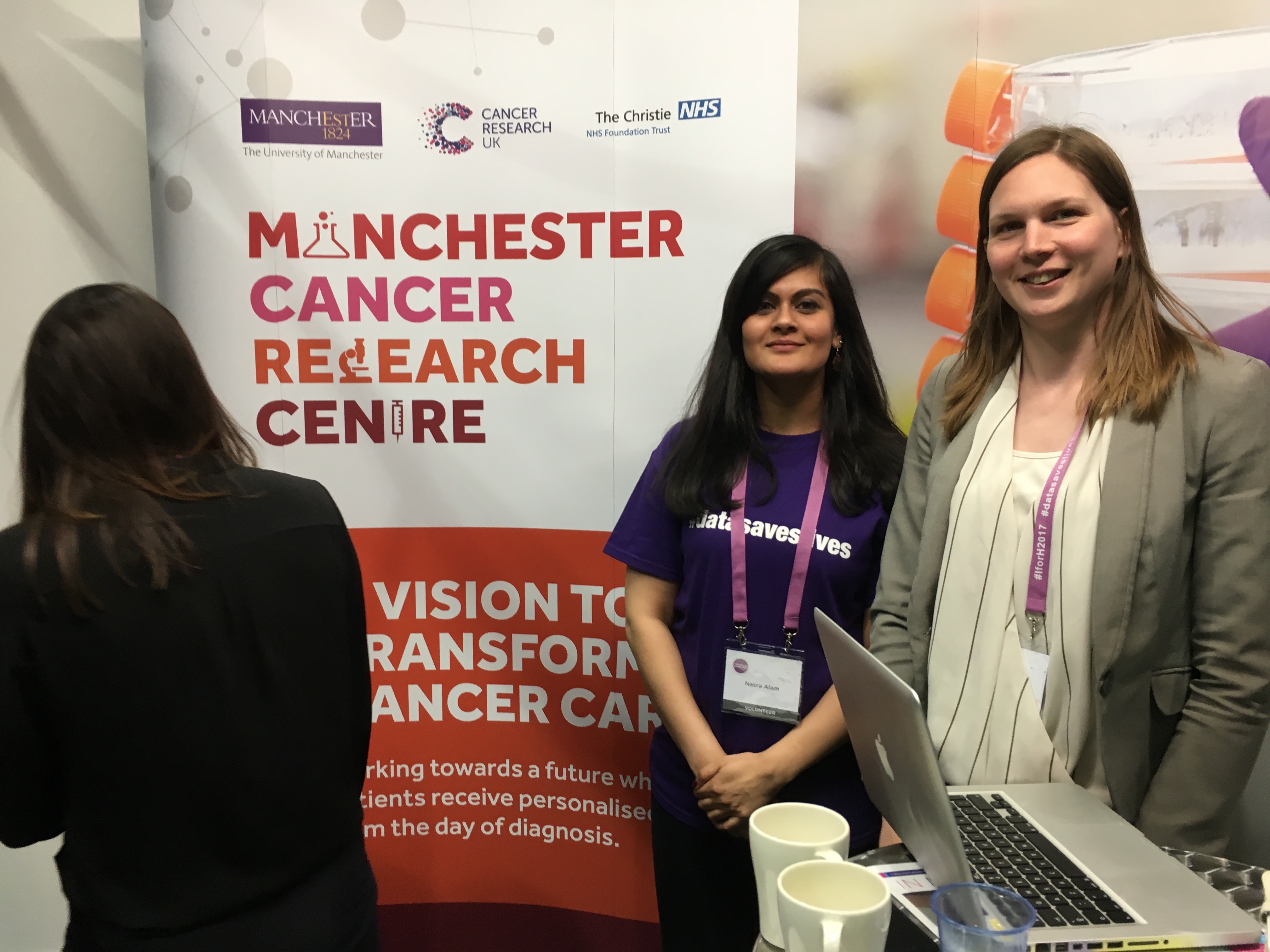
Manchester Cancer Research Centre stand | A Tree of Life Sciences Ltd

Also had the opportunity for a catch-up over coffee at the MCRC stand and took this photo.

Having explored a wide range of aspects of this exciting and challenging field, much of it very new to me and some a bit more familiar, I returned with a sense of how important it is for people to enhance and respect different disciplines. There is so much more to be achieved through co-operation, collaboration and communication.

Dr Julie Charlesworth

The Heart of Cape Town Museum – A Personal Experience (Part 2: Take home messages)

In Part 1 of this blog post you were taken back in time to a moment in medical  history – the first heart transplant.

Now, in Part 2 we fast-forward. This is a personal perspective in which some other far-reaching issues of that time are highlighted together with some take home messages relating to breakthoughs in Life Sciences and medical research.

Click here to read some personal Take Home Messages

by Dr Julie Charlesworth 16/6/2015

The Heart of Cape Town Museum – A Personal Experience (Part 1)

There are moments in life that make a deep impression – times when you are very young and don’t remember much about an event but you just recall vividly that there was something very important happening in the world around you at the time.

For me, such moments include the assassination of President Kennedy, the first moon landing, The Beatles’ first live performance on TV and among this eclectic mix – the news of the first heart transplant and the name Christiaan Barnard.

Years later, May 20th 2015, having followed a career in Life Sciences and medical research, I was travelling in South Africa and I found myself at the Heart of Cape Town Museum; an unforgettable experience I’d like to share with you.

Setting the Scene

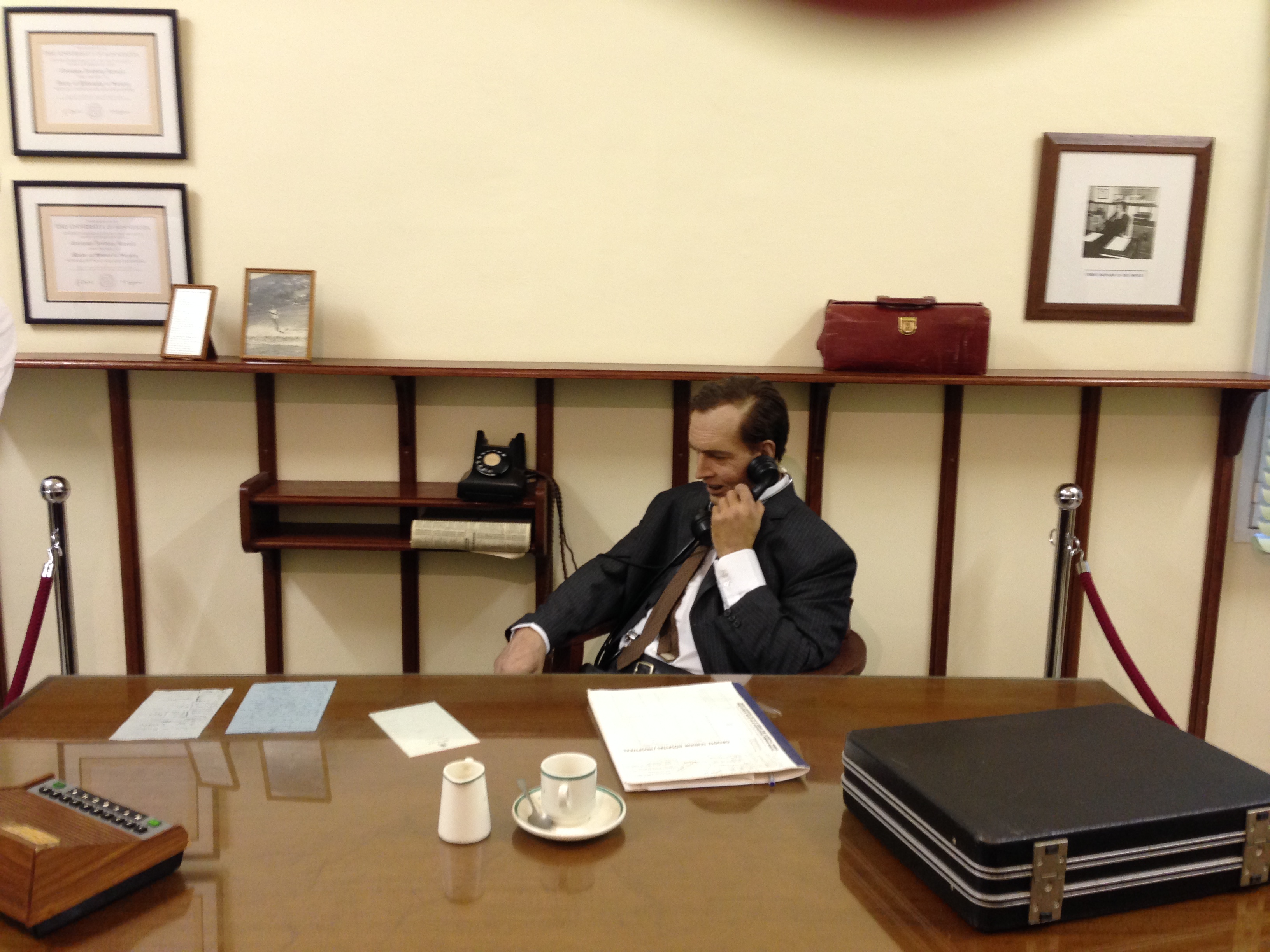
Christiaan Barnard in his office

Christiaan Barnard (1922-2001) in his office in 1967

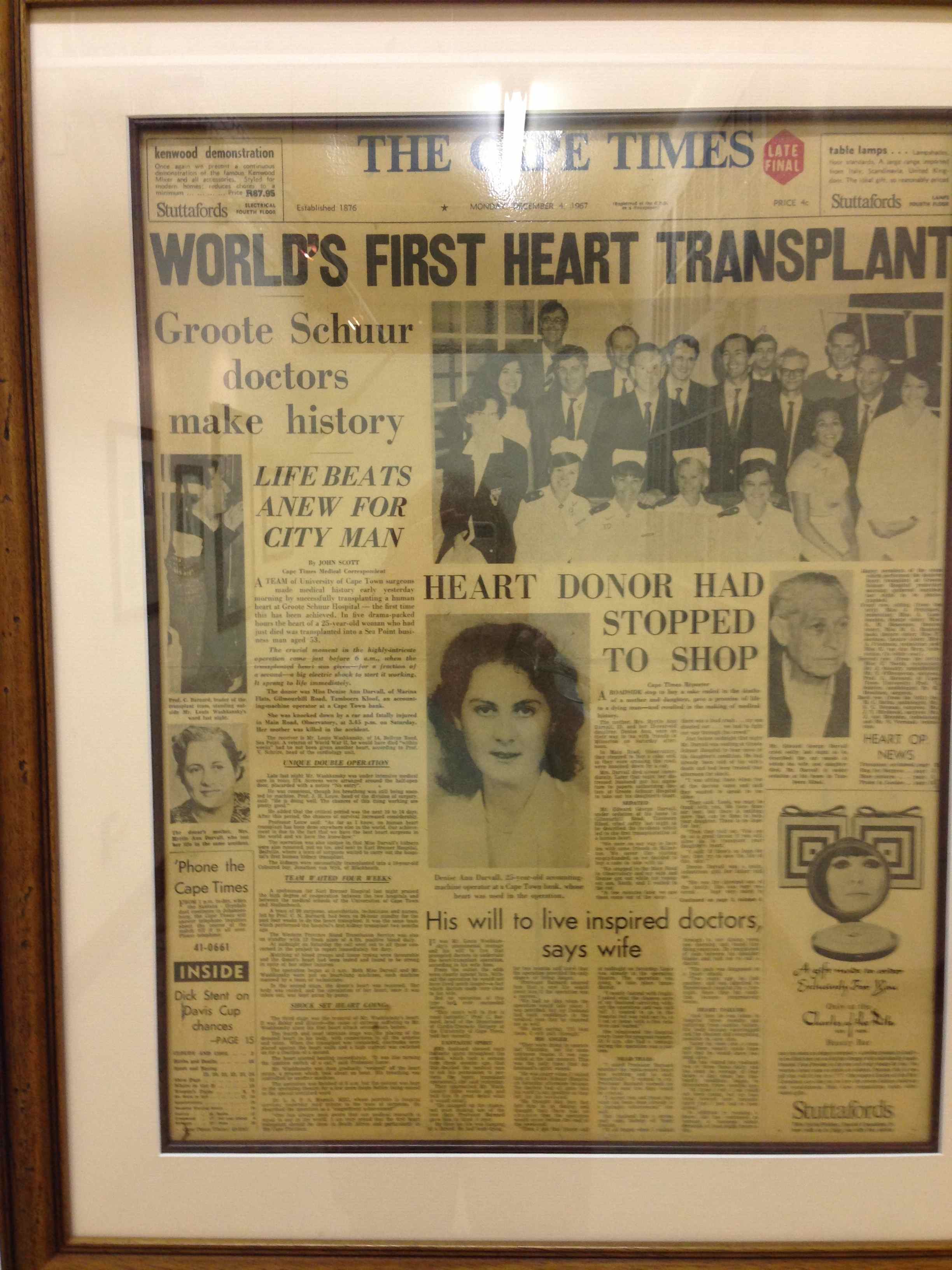
Picture, as I did: 1967 and a young charismatic doctor is beaming with a media-friendly smile. It follows years of hard work; tenacity and daring that lead him to carry out the first heart transplant – ‘a surgical feat that created a new medical era’. Barnard’s accomplishment brought South Africa and the University of Cape Town unprecedented international attention.

The Story – a dramatic series of events in medical history

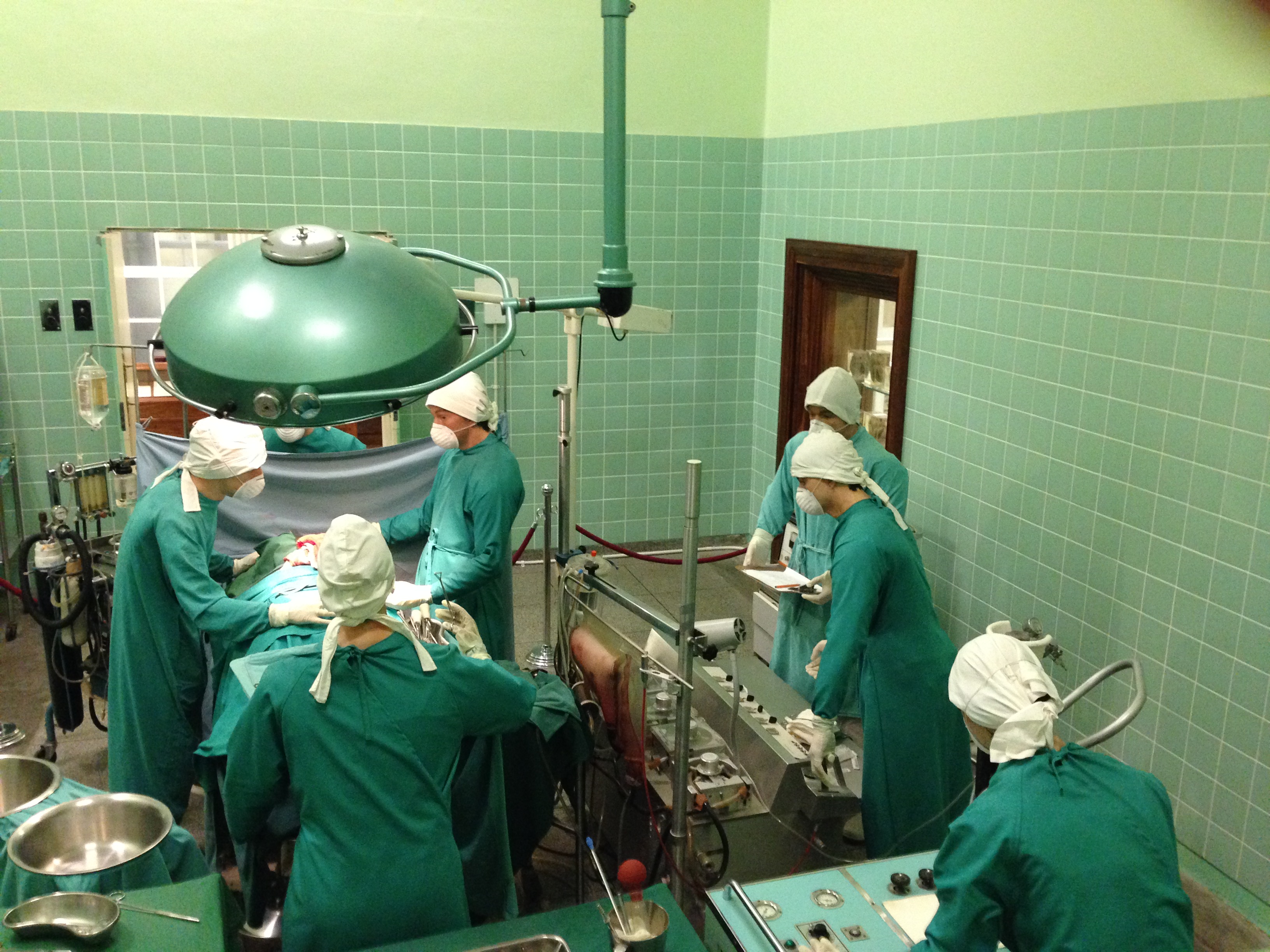
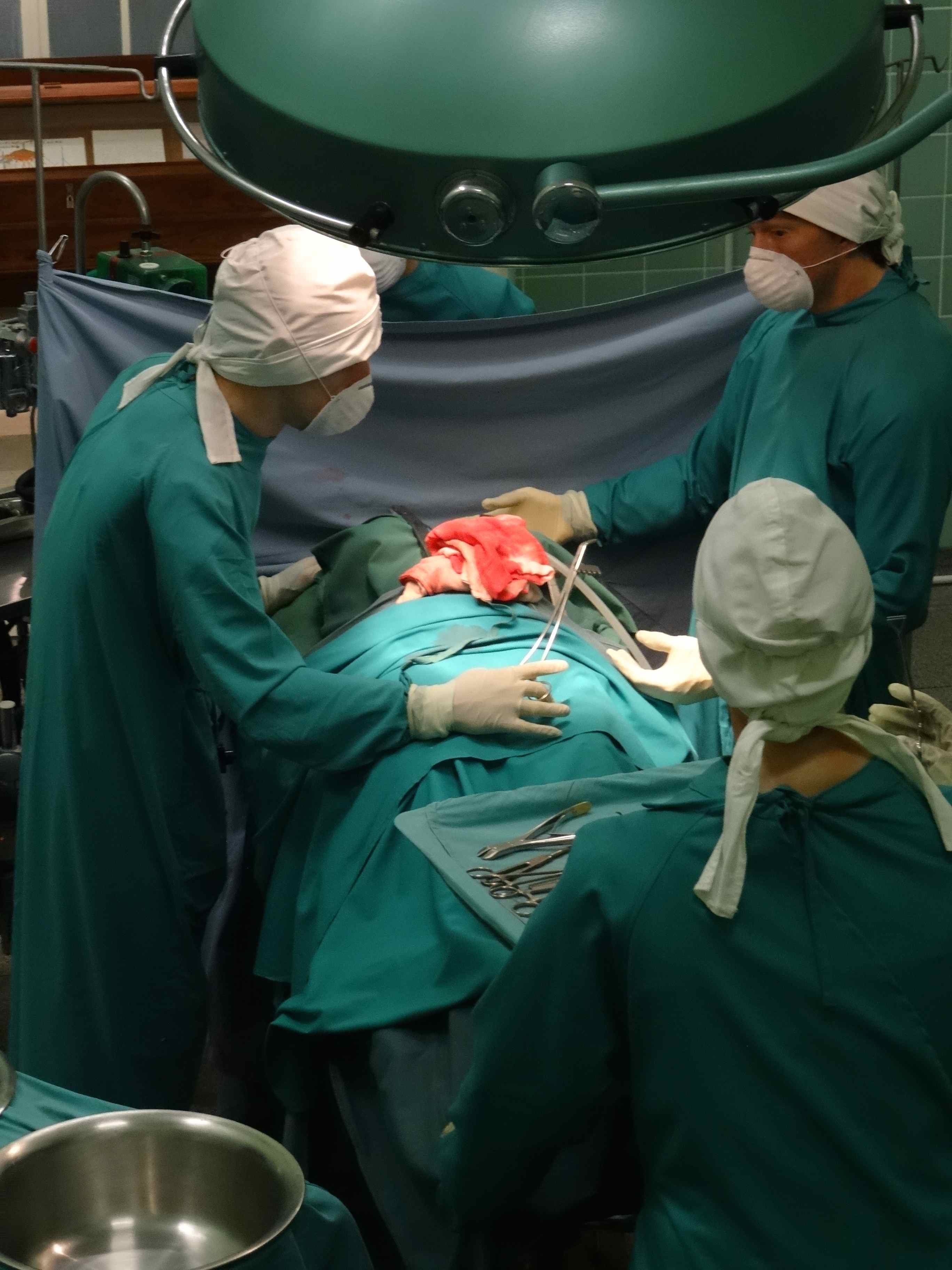
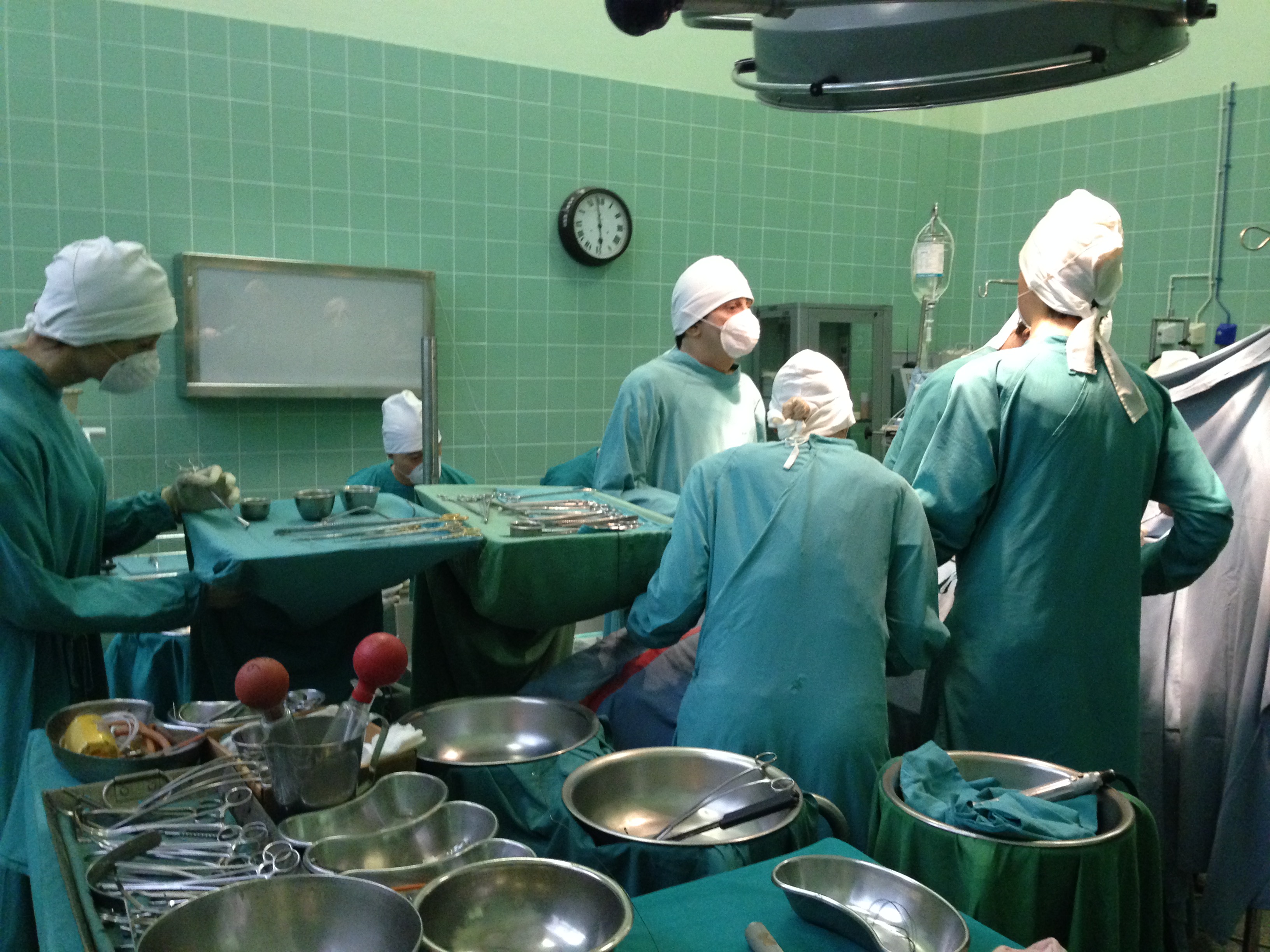
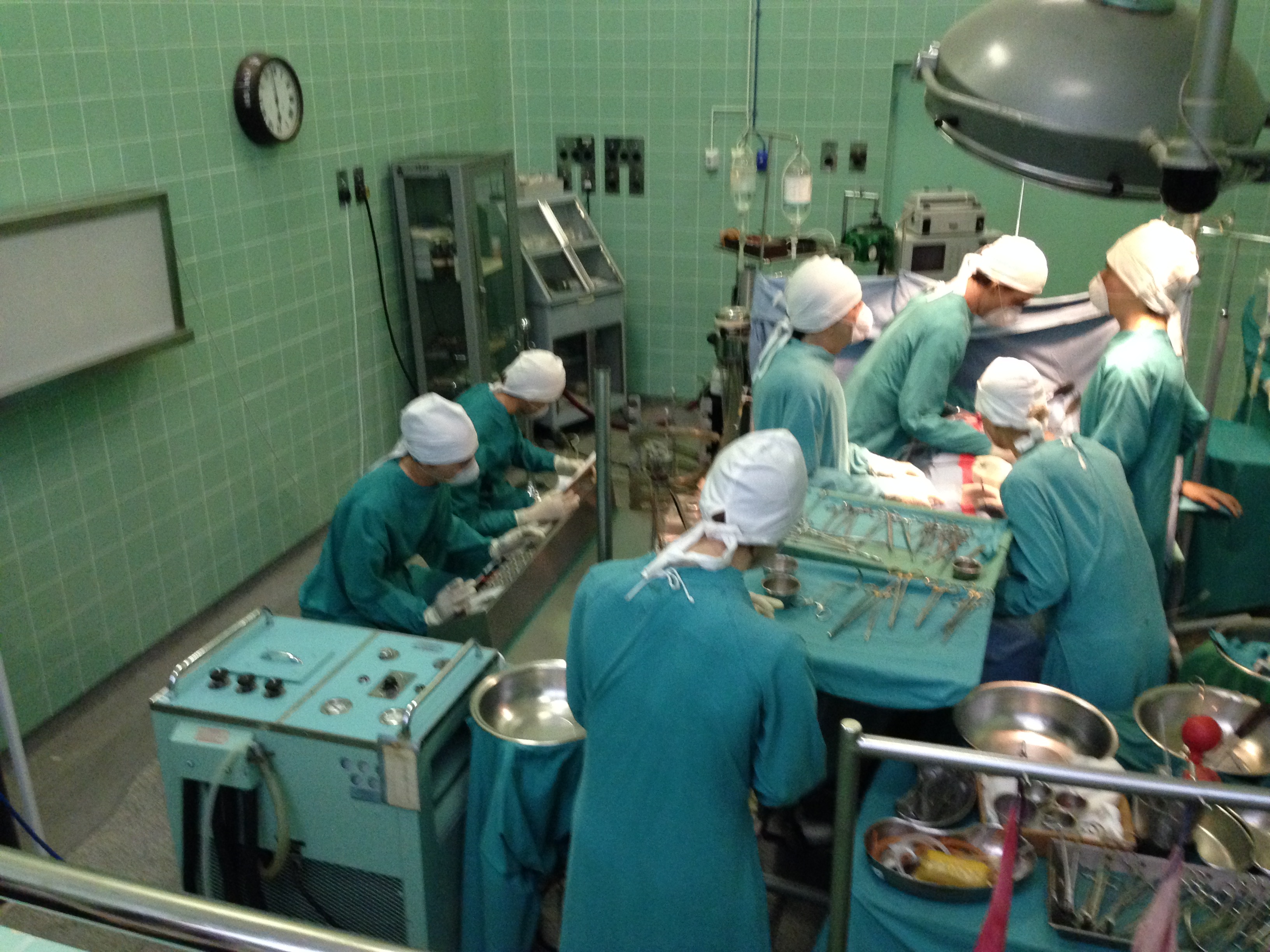
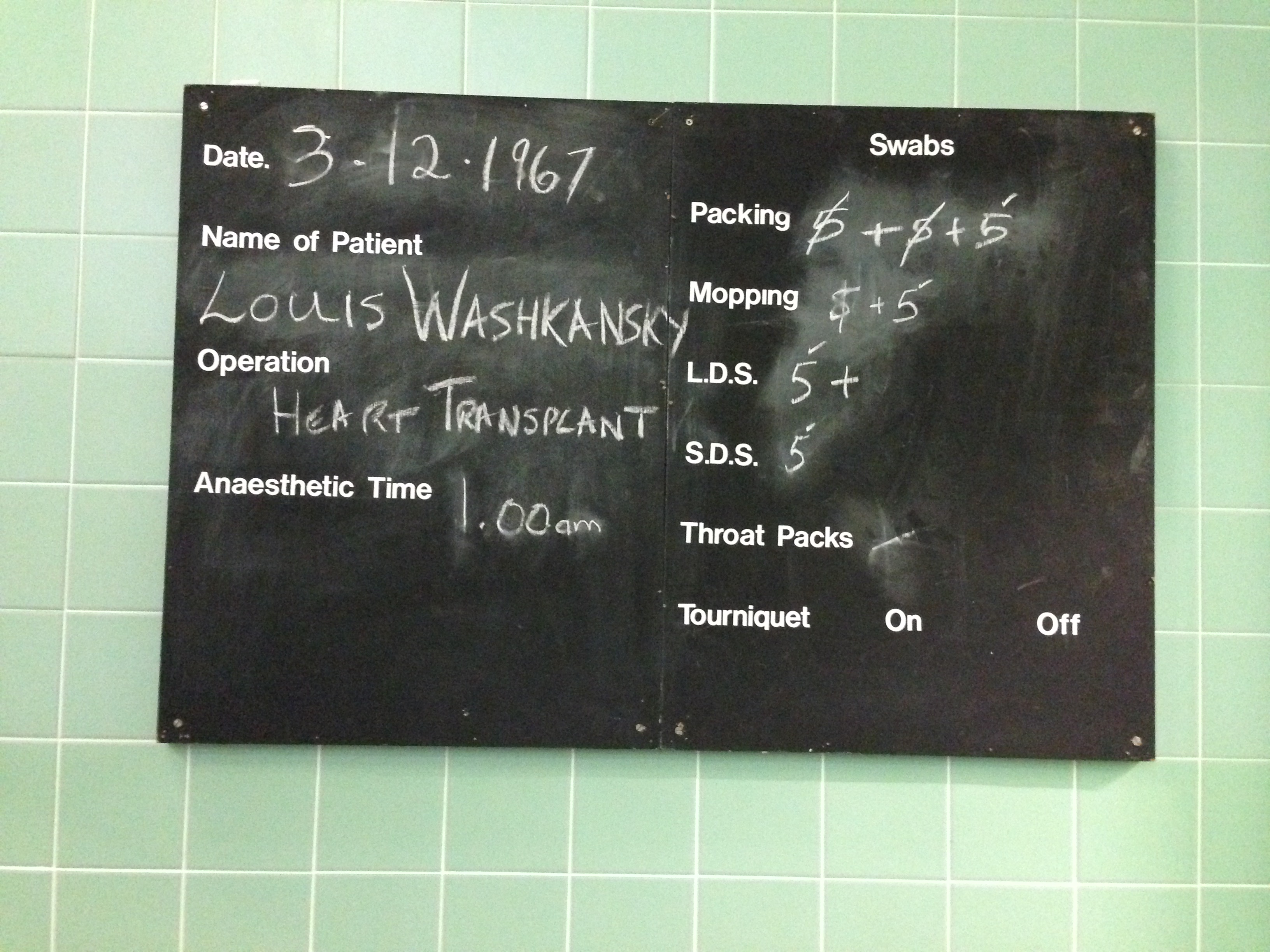
After years of preparation, a surgical team was on standby for the appropriate circumstances. December 2nd 1967, following a tragic car accident, the clock starts. There is a donor, Denise Darvall, and there is a recipient, Louis Washkansky. Picture the two adjacent operating theatres, the technical skills and the subsequent international media coverage in which this was hailed as a breakthrough in organ transplant surgery and the start of a new medical era.

The donor heart is removed

The donor heart is removed.

DSC00180

Adjacent theatre: surgeons prepare the recipient

Adjacent theatre: surgeons prepare the recipient

The heart transplant proceeds

The heart transplant proceeds

The first heart transplant represents a moment in medical history

The first heart transplant represents a moment in history

The first heart transplant represents a moment in history

Pause to imagine the human aspects

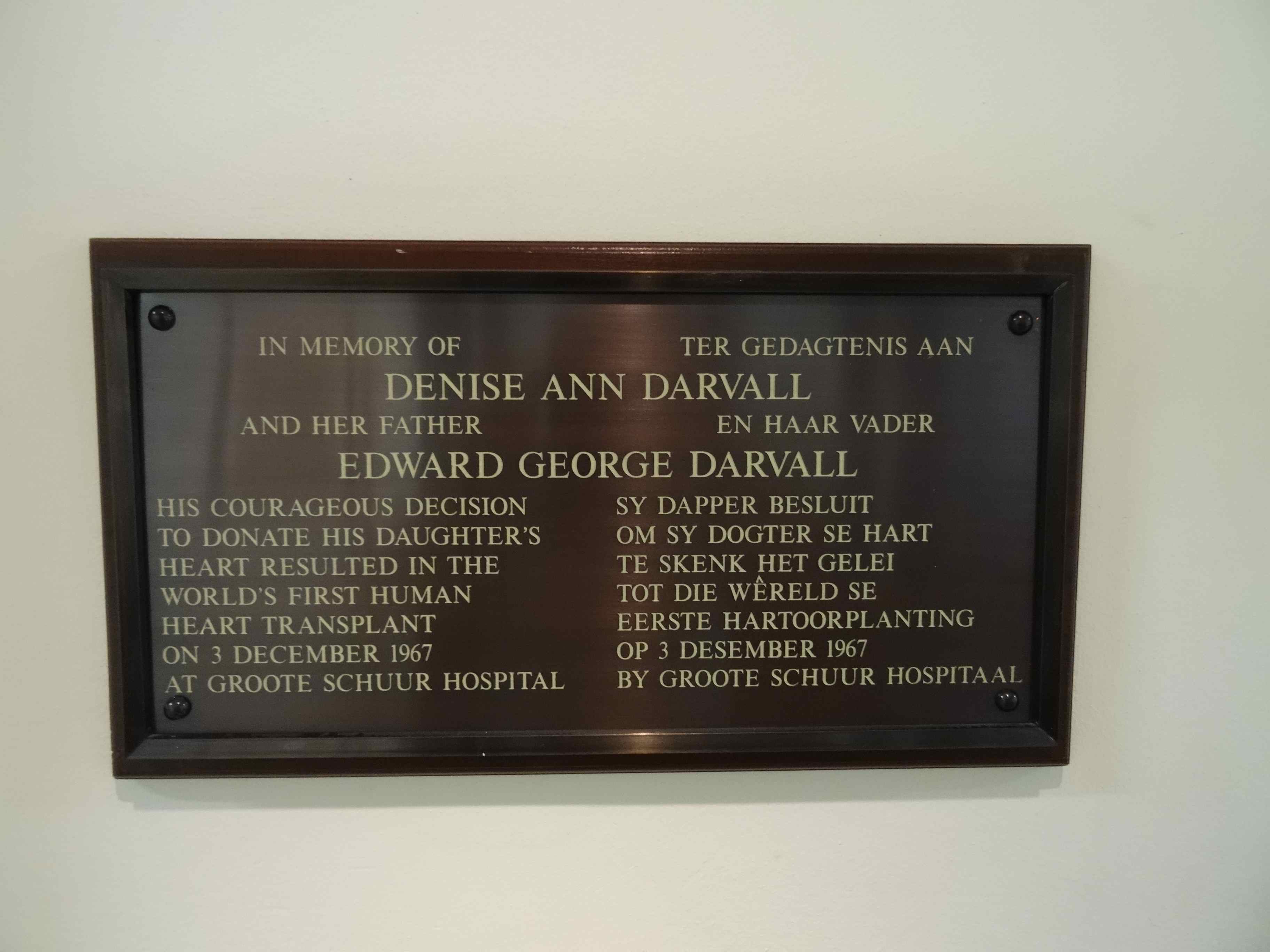
The father, who had just lost his wife in the same accident was losing his daughter (25 years old) and was now faced with an enormous request as a parent. Think about the decision, the success, then the feeling of loss again when LW subsequently died. Consider the impact on the father – and the rest of his family at the time and afterwards.

Plaque in memory of donor

Imagine the euphoria of the initial success – a dying man feeling alive again. As a precaution against rejection his immunity was suppressed – but then pneumonia took hold and he died 18 days after the operation. Think how this affected all those involved: the families, the surgical teams and care teams.

Subsequent events

This blog post covers a snapshot in time and place. There were controversies that continued for some time but they have been followed by major developments and successes. There have been significant advances in the field of heart transplantation in the past 40 years or so. More than 5000 heart transplants are now performed each year around the world.

—————

On this tour I had the pleasure of the company of a group of student nurses and doctors from the U.S. We were all touched by the experience of the tour. For me, the trip also rekindled an early childhood memory and stimulated some thoughts regarding current issues around breakthroughs in research.

The Heart of Cape Town Museum provides a unique experience of a moment in medical history and I recommend it to you all.

by Dr Julie Charlesworth 11/6/2015


[The photographs were taken by Julie Charlesworth and with permission, during the guided tour. The life-size models look so real and they are set in the actual operating theatres where the events took place.]


In Part 2 some other far-reaching issues of that time are highlighted together with some take home messages relating to breakthoughs in Life Sciences and medical research.

Big Pharma, Gobbledygook and Getting Real!

Reflect on the changes in Big Pharma, the future in Life Sciences is looking brighter – are we really ready for a fresh approach and changes in some of our business language?

I wrote on this very subject as an editorial for the 2015 Spring edition of the journal, Medical Writing.

Julie Charlesworth (Editorial) “Get Real: Avoiding corporate gobbledygook.”
Medical Writing 2015; 24(1), 23
DOI: 10.1179/2047480614Z.000000000273

Read here

Our website glossary is live

At A Tree of Life Sciences® we are committed to inclusion and to supporting non-native English speaking clients. That is why we have added a glossary to explain words and terms that can be difficult to understand.

English is a rich and evolving language, which we know from experience non-native English speaking people are keen to learn.

Click here to visit our glossary.

Click here to contact us if you wish to suggest a word or term to be added.

We look forward to seeing this section of our website grow organically and communally with you.