The Winter Collection

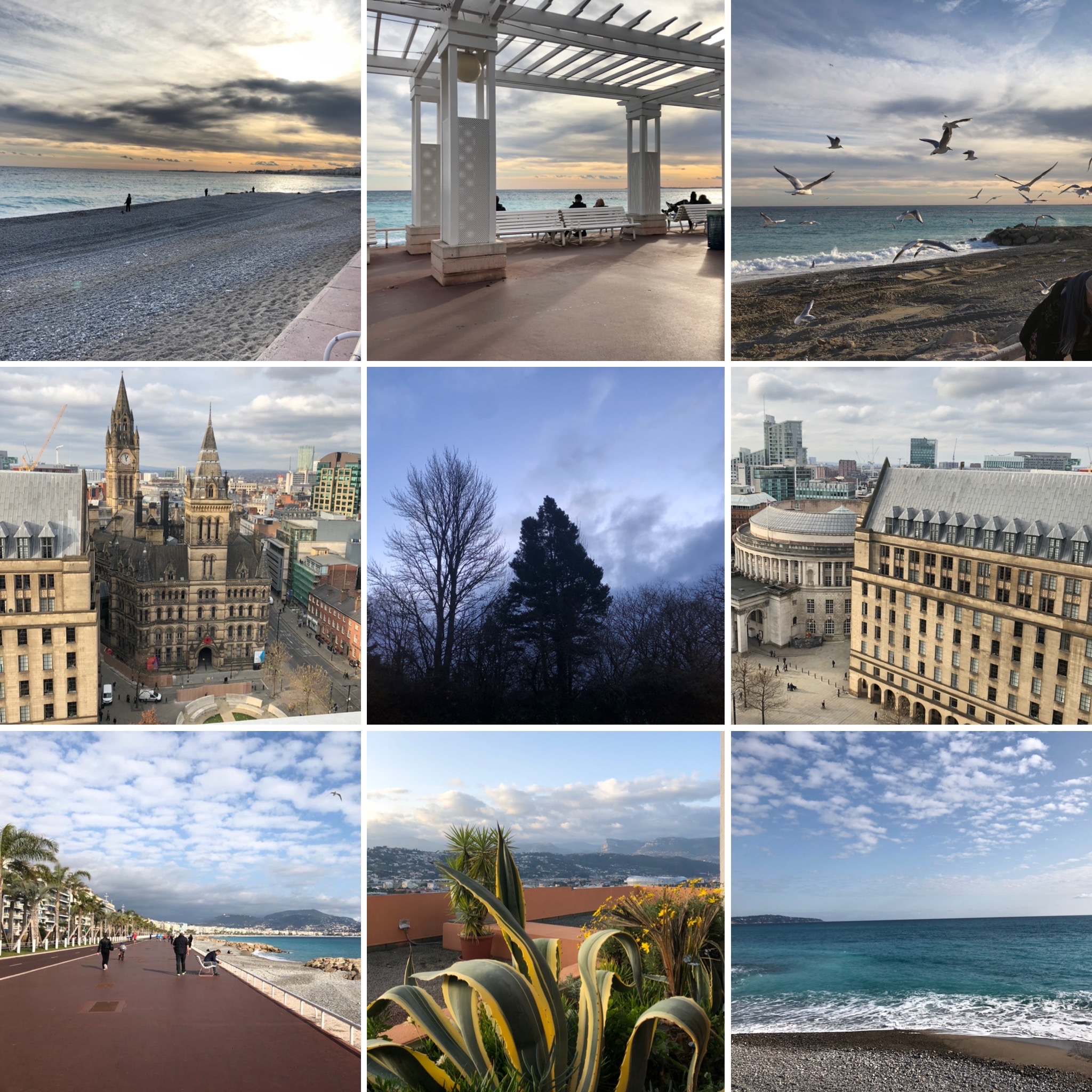
I just wanted to share some moments of reflection, captured in snapshots I have taken over the winter. Here’s to freedom and flexibility; working on what you want and where you want.

The photos are Manchester city centre; an evening shot from a car park in Cheshire just south of Manchester; and some coastal views in Nice, France.

Sometimes it feels good to pause, take a breath and appreciate the different shades of winter in places where we find ourselves. Beyond traditional winter scenes the winter colour palette can be cool and deep, and also diverse.

Take care – the weather is wild and unpredictable at times these days. Here’s to clearer skies and calmer times…

by Dr Julie Charlesworth 12.3.20

New Publications in Population Health Intervention Research.

Population Health Intervention Research (PHIR) is a field of growing interest.
Indeed, PHIR and the evaluation of PHIR may become increasingly important for health systems* at many levels and also for public health policy.

What is PHIR and what is its impact?
‘Population health intervention research (PHIR) can be defined as the use of scientific research methods to produce knowledge on policy and intervention programs’ ‘Whether or not they are conducted in the context of the health system, these policies and programs have the potential to make an impact at the population level’

The complexity of the field of PHIR requires an interdisciplinary approach.

A highlight of 2019 for me and A Tree of Life Sciences® was to see the publication of 2 important papers of which I am proud to be a co-author.

PHIR publications

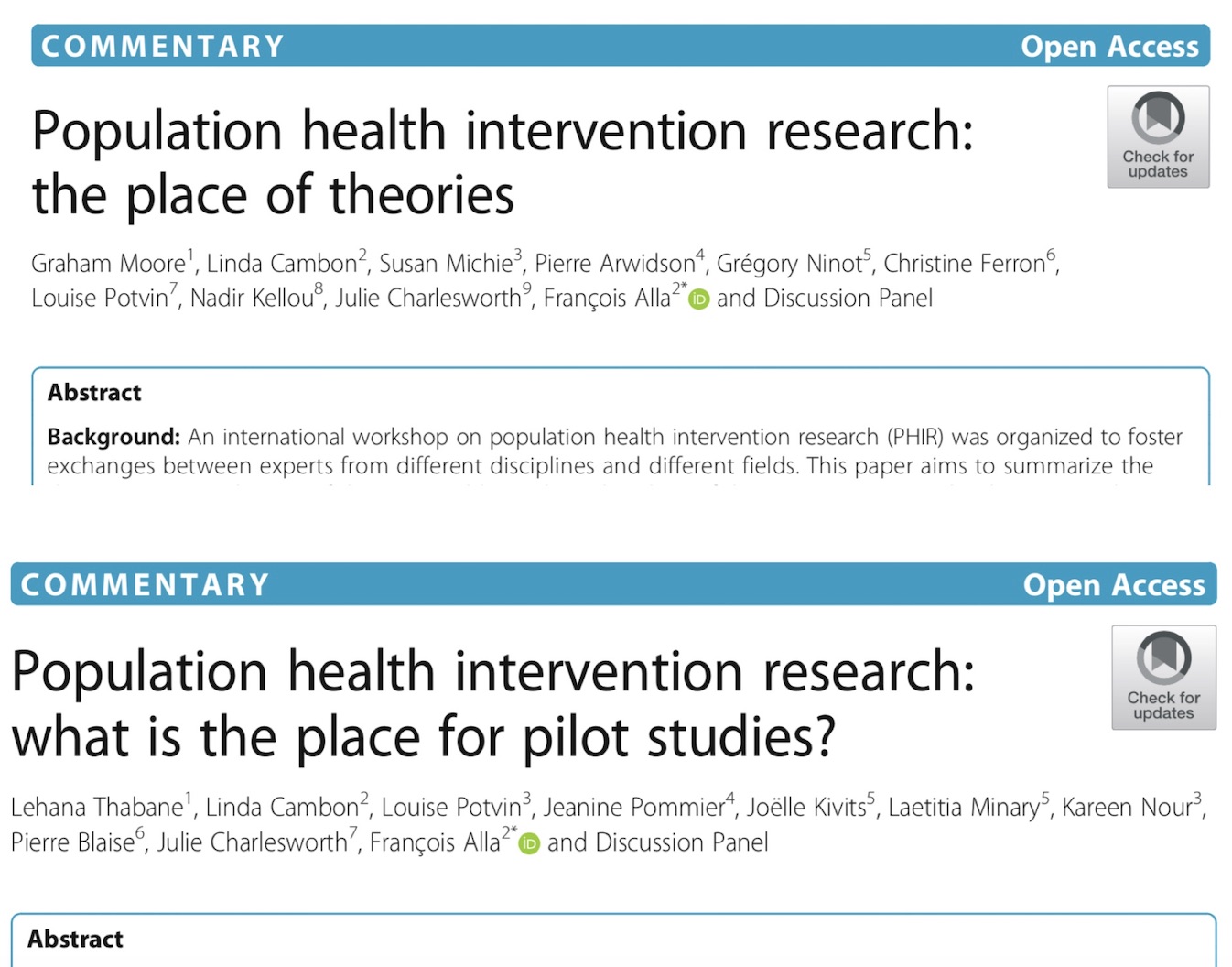
One of the publications discusses the place of theories in PHIR, and addresses why theories can be useful, and how to choose and use the most relevant of them in evaluating PHIR. The other publication addresses the question of the place or role for pilot studies in PHIR because ‘pilot studies are well-established in biomedical research, but the situation is more ambiguous for PHIR, in which a pilot study could refer to different purposes’

These publications represent the culmination of a challenging and very interesting international project, involving experts from a number of different disciplines and fields. Position statements, further research directions, and recommendations are included in the publications.

I think that bearing in mind all the different possible approaches and methods a key point made is ‘the questions to be addressed should drive the approach and methods’.

Transcending borders and boundaries
I am very proud to have participated in the international workshop held in Paris (November 2016), and to have contributed to the development and the writing of subsequent papers and publications. It was very challenging and also very rewarding to be able to learn so much from the exchanges between researchers from different disciplines and fields, and from different countries including France, Canada and the UK.

Involvement in international collaborative projects and open access publication is in keeping with my personal values, and those of A Tree of Life Sciences® in “transcending borders and boundaries” in high value projects.

by Dr Julie Charlesworth 27.1.20

………………………

For further reading, these open access publications are available in Trials Journal BMC (part of Springer Nature):
Moore et al. Trials (2019) 20:285 https://doi.org/10.1186/s13063-019-3383-7
Thabane et al. Trials (2019) 20:309 https://doi.org/10.1186/s13063-019-3422-4

*Health systems are all organisations, people and actions whose primary intent is to promote, restore or maintain health. This includes efforts to influence determinants of health as well as more direct health-improving activities (World Health Organization definition).
Health systems can be viewed as the organisation of people, institutions, and resources that deliver health care services to meet the health needs of target populations (Wikipedia)

Publication on Population Health Intervention Research: Proud to be a Co-author

I am proud to be a co-author of a new and key publication in the field of population health intervention research (PHIR). This is the culmination of a challenging and very interesting 2-year project, involving experts from a number of different disciplines and fields.

It is published by Springer Nature in the Open Access journal ‘Trials’. Click here.

“Population health intervention research: what is the place for pilot studies?”
Authors: Lehana Thabane, Linda Cambon, Louise Potvin, Jeanine Pommier, Joëlle Kivits, Laetitia Minary, Kareen Nour, Pierre Blaise, Julie Charlesworth, François Alla and Discussion Panel.

Involvement in this international collaborative project and open access publication is in keeping with my personal values, and those of A Tree of Life Sciences in “transcending borders and boundaries” in high value projects.

More to follow about this PHIR publication and involvement in related work.

by Dr Julie Charlesworth

Work/Life Balance: Springtime ‘Walking the talk’


‘Walking the talk’ with the month of April 2019 spent in Nice, France.

A great thing about being an independent consultant is that much of the work can be done from anywhere – I have a particular fondness for Nice.

Many of you might recognise from one of my photos (the sea-view, from my LinkedIn photo header of several years), that I use my distinctive A Tree of Life Sciences® logo and image as a watermark on my slides in presentations etc.

It’s invigorating to get away and create an environment to facilitate creative thinking and fresh ideas; this time developing talks.

Life throws all sorts of things at us all, over the years; but these days I am loving my work and being able to contribute something a bit different on occasions.

It was great to get away on this occasion in Nice, France. It is also great to be back home, in the UK.

Returned to the UK and discovered something new for the ‘The Spring Collection’

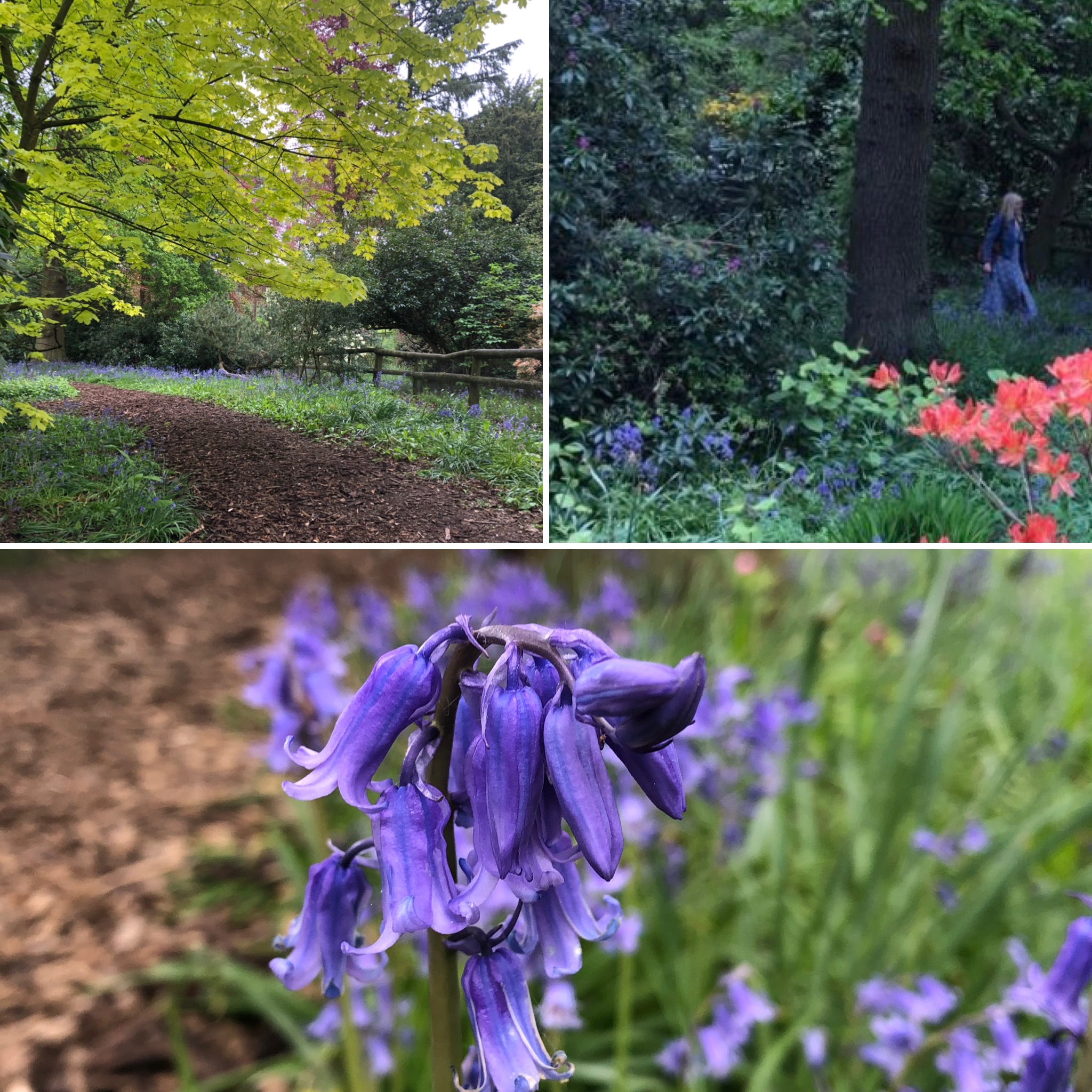
Full of the joys of Spring and with a spring in my step, I’d like to share some photos taken on 5th May on a family outing.

I wanted to capture a moment to share the magical experience of a walk in a bluebell wood, near to home in England! Awash with a carpet of bluebells, indicators of ancient British woodland.

For 6 things you might not know about bluebells click here

Here’s to work/life balance!

by Dr Julie Charlesworth

(All my own photos. P.S. that’s me and and my hubby of 39 years! We are also proud parents and grandparents together!)

Science, poetry and a personal thank you

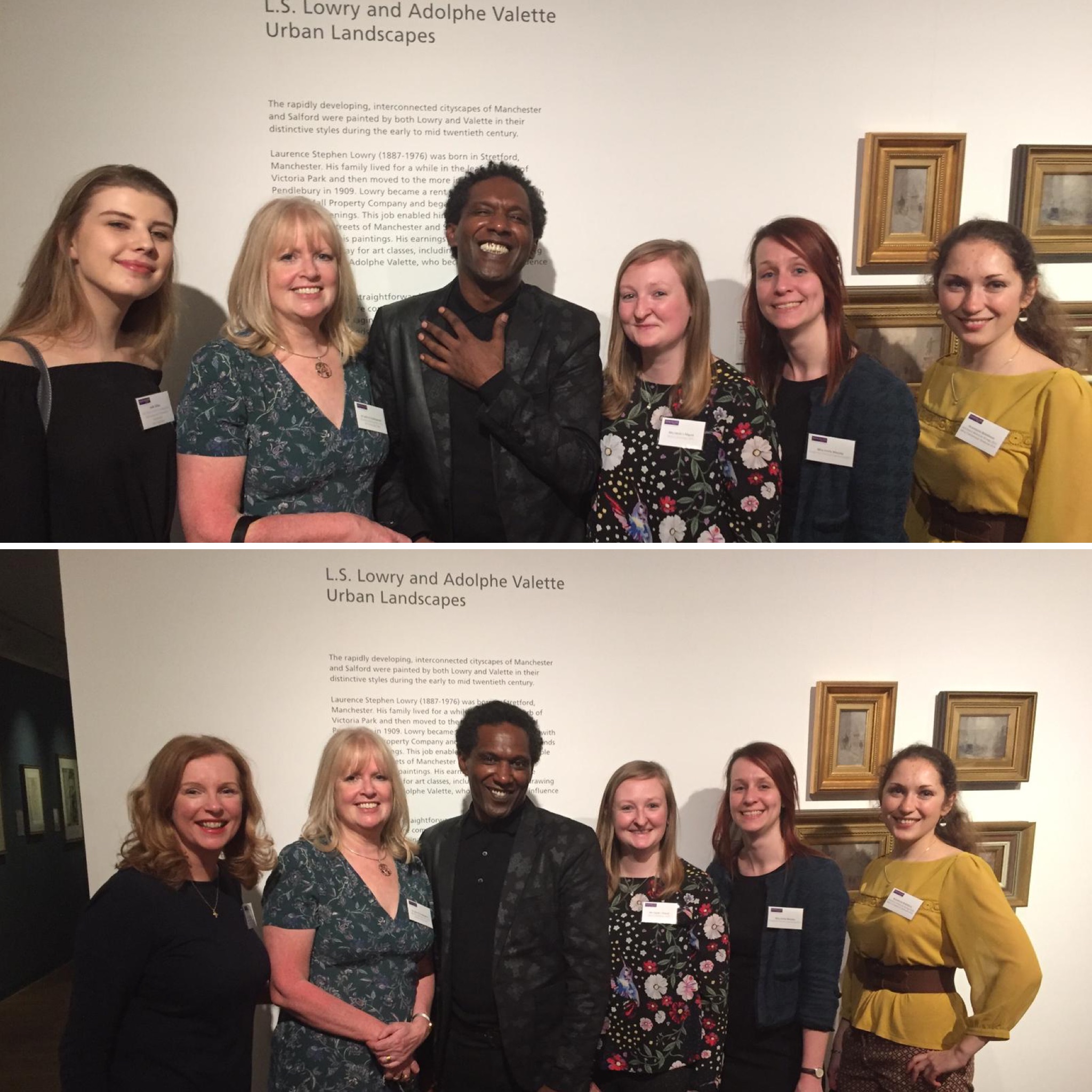
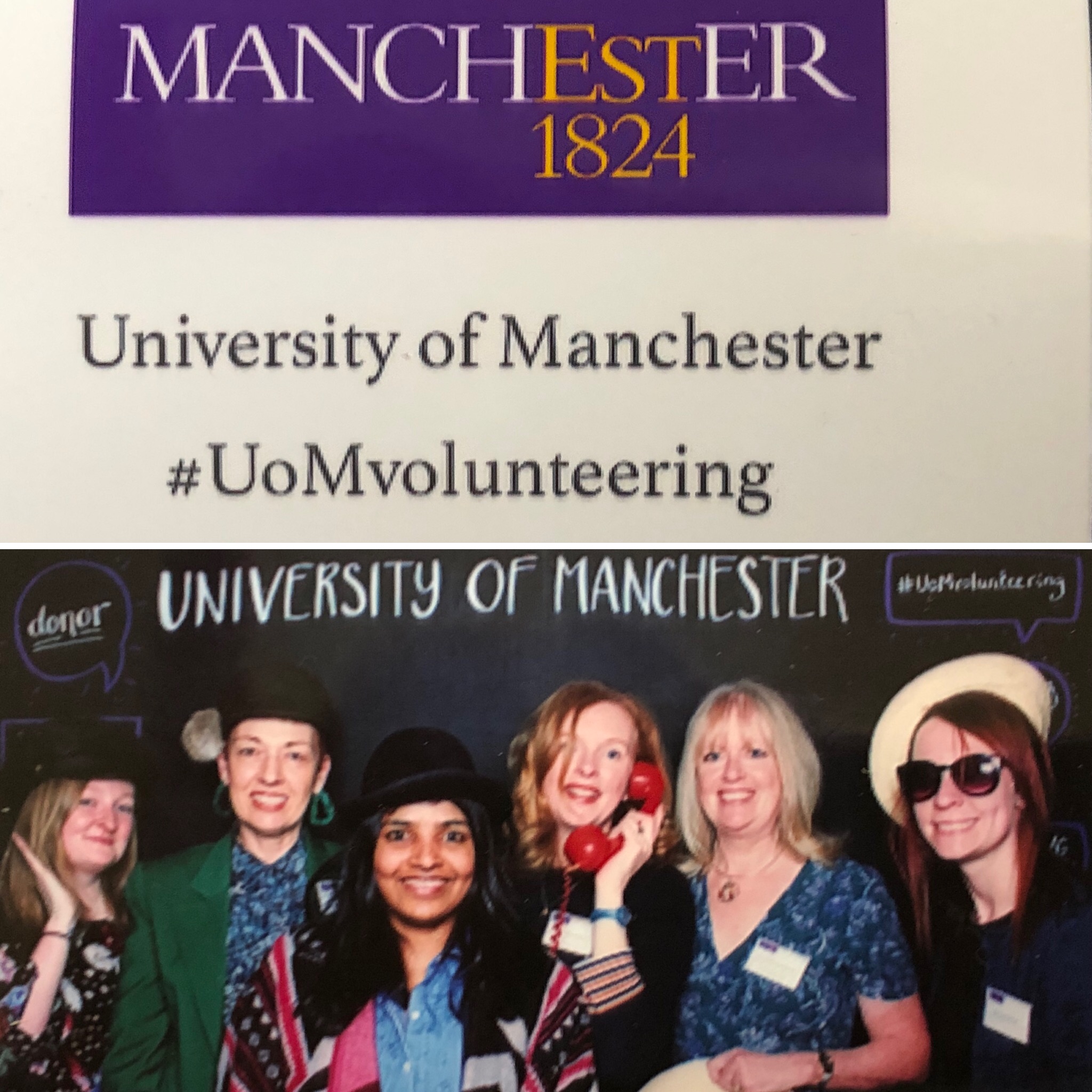
I was honoured and very chuffed to have received a personal thank you from the University of Manchester for my support of the University of Manchester Access Programme (MAP) and in addition my student mentoring as part of the Manchester Gold programme in particular the impact on one of their PhD students.

A reception with about 150 people was held on February 27th in the Manchester Art Gallery. What a wonderful welcome with a personalised ‘party bag’ – actually it was very tastefully presented and it included a beautiful limited edition art print of Manchester University on the front of the card. Inside was a handwritten personal letter – what a lovely thoughtful gesture. It will be treasured!

The event was hosted by the university chancellor and poet, Lemm Sissay. Lemm opened the celebrations with a stirring and inspiring rendition of his poem ‘Making a difference’ – now that’s how to connect with an audience (learning point to self here)! A participant in the MAP recounted how the programme had truly ‘made a difference’ to her life and career opportunities.

Meeting Lemm Sissay

The guests at the reception were made to feel like special friends. It was great to see some now familiar faces and also to meet new ‘friends’ with diverse talents and careers: people with a common respect and fondness for the University who had contributed their time and ‘given back’ towards the future.

There was much mingling and serious talk; merriment and banter; and opportunities for happy photo shots.

[Note to myself – in 2016, the first time I saw Lemm speaking I think it may have rekindled the embers of my inner poet self – a little part of my soul. Subsequently, after a particularly inspiring science event I briefly dabbled in the art of poetry myself with a short poem. Better stick to the day job me thinks – but I’m happy to be a scientist and science communicator who might occasionally get carried away in the moment and burst into poetry (of a sort) – much to the embarrassment of my family. After all, science can also be ‘sheer poetry’!]

I left the Gallery with a sense of the importance of friendships and giving. I had a lovely evening and I very much appreciated being acknowledged in such a friendly and personal way.

by Dr Julie Charlesworth

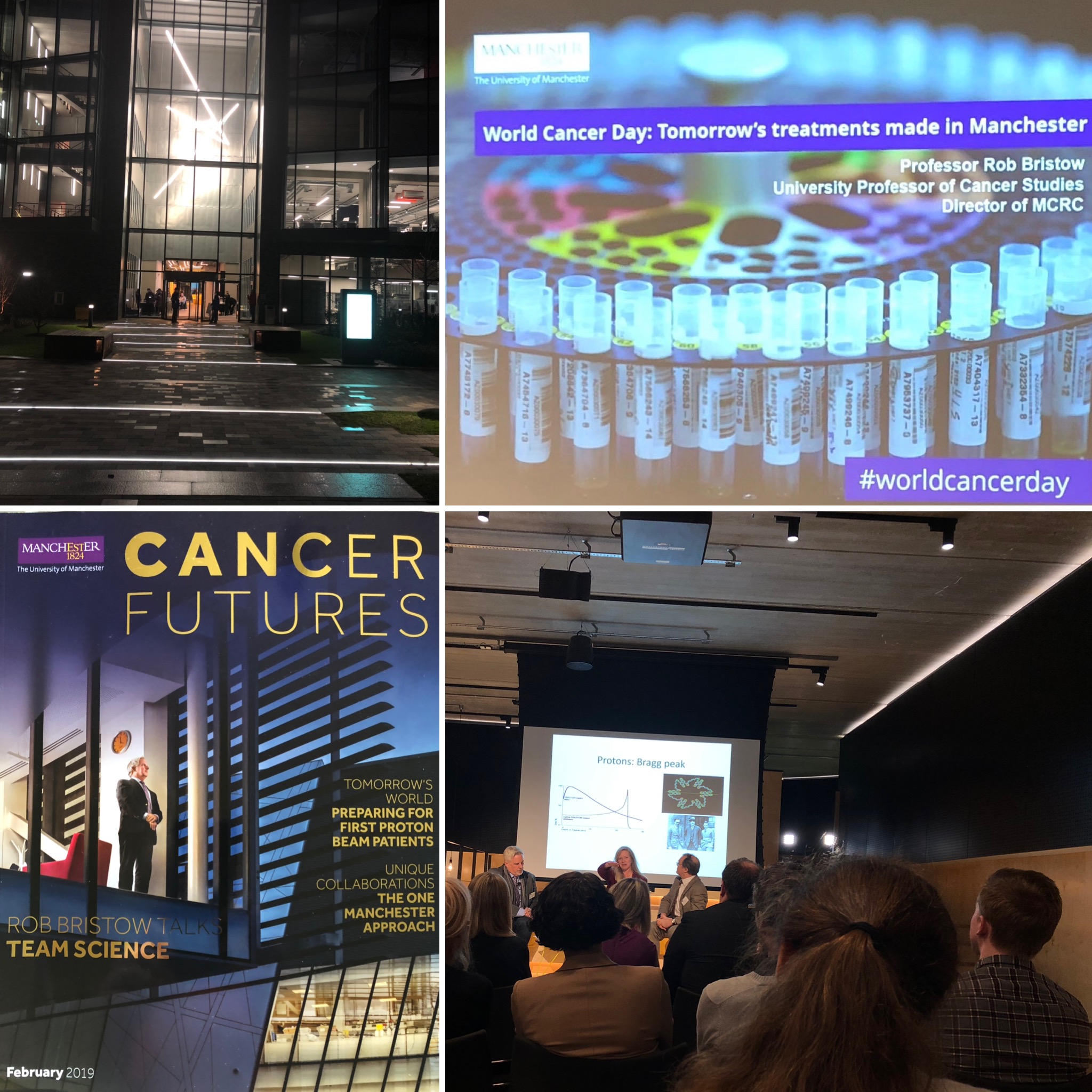
World Cancer Day: Tomorrow’s Treatments Made in Manchester

What an Inspiring event!
The event was held on February 5th 2019 in honour of World Cancer Day 2019. (Bright Building, Manchester Science Parks, UK).

Leading research conducted in Manchester is improving treatments for patients across the world. The format of the event included a review of recent achievements and areas of research activities; the vision for the future; compelling stories from 2 patient advocates; and a clear and informative panel discussion on Proton Beam Therapy. Presentations were followed by a reception with a chance to meet and put questions to some of the scientists and experts actively involved in research in Manchester.

The progress and achievements are phenomenal! The vision for the future is challenging, promising and positive.

Thank you to the organisers for the invitation to attend this special event.

For more about this read on…

We heard about research activities and achievements – recent, current and on the horizon. Here is an indication of just some of the exciting and important areas of research in Manchester; with a few comments and thoughts:

Prevention and screening – addressing questions such as: “Can we use circulating DNA or proteins in the blood to find lung cancer at its earliest stages?” “Can we use it to detect recurrences at the earliest stages?”

Aiming to enable health screening to be earlier and easier for some patients who are at higher risk (and who might otherwise present with more advanced lung disease). For example, a pilot study in Rochdale used mobile vans in more convenient locations for patients. This is now being further evaluated in a wider NHS roll-out taking ‘screening to supermarket car parks’ (recent media coverage).

Approaches in research and treatment taking into account multi-morbidity – because people with cancer are living with other diseases.

Enabling real time follow up of patients – using technologies to see how patients are doing in real time.

Precision medicine – the use of linked bio-banks, advances in genomics and informatics to try to close the gap in translational research and treatment of patients.

The new Proton beam facility located here in Manchester – the first patient was treated in December 2018. Pioneering research and collaborations are being facilitated and encouraged.

‘Team Science’ – as the way forward. ‘Cancer research conducted in an interdependent fashion in a large group across many subjects to deeply integrate knowledge.’

‘Town Hall’ events are also enabling wider discussion including the involvement of patients.

Finally, an overall aim is to provide the best cancer care – with opportunities facilitated by the Manchester Cancer Research Centre (MCRC) involving 3 partners working so closely together: The Christie NHS Foundation Trust, Manchester University and Cancer Research UK. There will be interesting findings to report.
Of course, not all research will lead to big breakthroughs. Research involves a lot of hard work and can be frustrating and even disappointing at times. On the other hand, science can also be surprising; serendipity is also a factor on occasions. With a wealth of sound research activity, cross-disciplinary teams and fresh perspectives there is every reason to feel optimistic that cancer research will be contributing to knowledge and understanding of fundamental biology, mechanisms, real life implications and benefits for patients.

Life can throw up unexpected circumstances and events. A terrible blow was dealt by the devastating fire at the Paterson building in April 2017.
There are now prospects of a new building and new opportunities with ‘team science’.

There was a palpable ‘buzz’ in the air at this event in February.

As I have said before there’s a lot happening in Manchester UK these days!

by Dr Julie Charlesworth (9/2/2019)

….

The Manchester Cancer Research Centre (MCRC) is a unique partnership between the University, The Christie NHS Foundation Trust and the Cancer Research UK Manchester Institute.
Further information about the MCRC

Previous related posts:
Feeling proud and honoured to be invited to such events which also included a preview of the opening of the MCRC in 2015
and here is a short report of a visit in 2016 also touching on why the location holds special memories from my own early research years.

January Science Reflections – 3 pertinent points

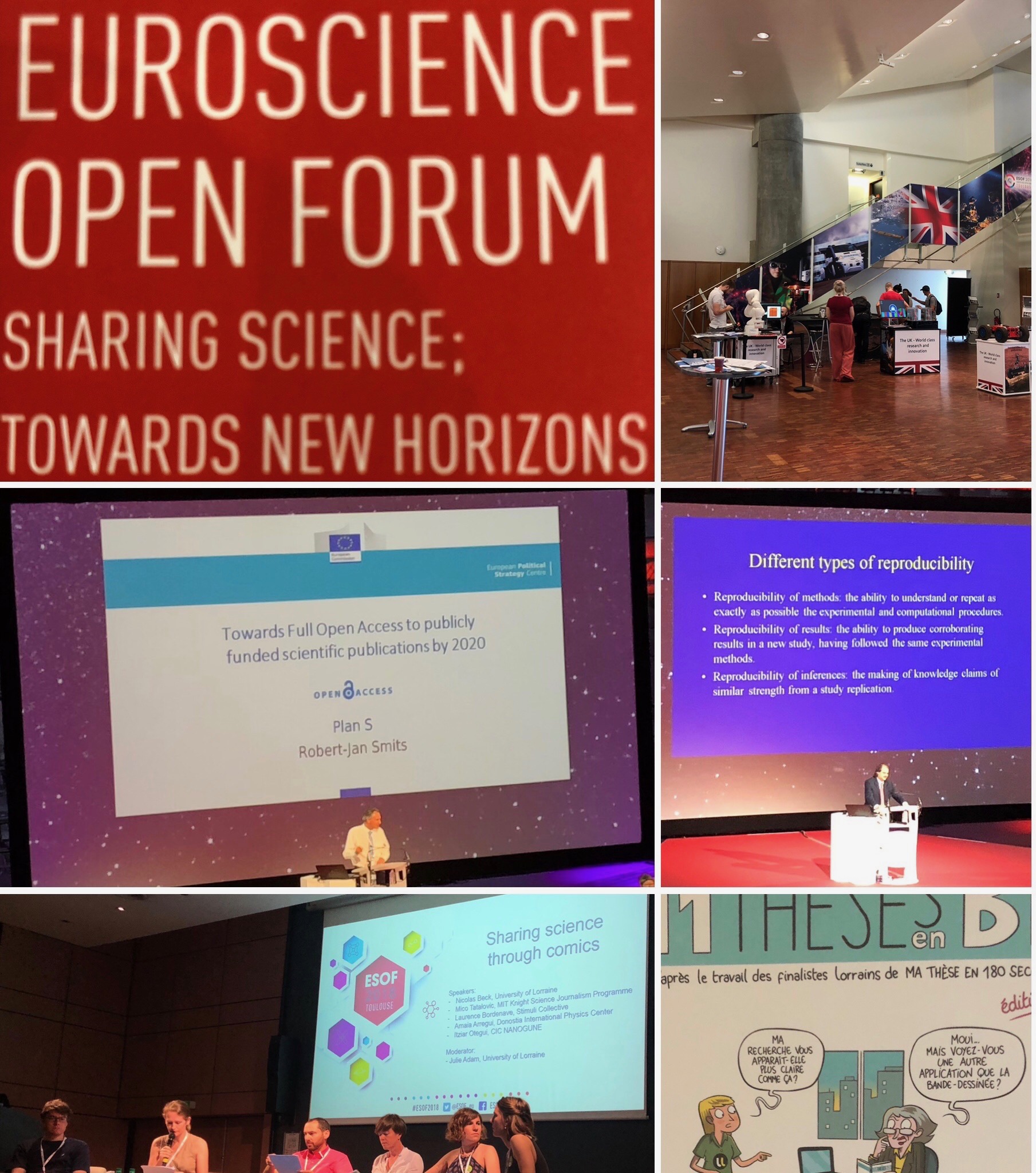
With all that is happening in Europe and the UK these days, a few flashbacks to the summer of science 2018 come to mind – I already covered some highlights of the EuroScience Open Forum (ESOF) in posts I wrote from July to September 2018. Below are 3 additional take home thoughts which seem particularly pertinent now.

Reflections: photos taken at EuroScience Open Forum 2018 in France

1. When people get together, things happen – collaboration and cooperation in science is healthy and productive.

2. Open science and reproducibility of results can enhance trust in scientific findings.

3. Science is serious but scientists can be playful and science communication can be playful too on occasions – ‘Science Rocks!’

Presentations at the meeting and subsequent papers have certainly sparked wider discussion and progress e.g. Europe’s scientific publications: Plan S and its objective of full open access to publicly funded scientific publications.

The challenges of Open Access and Medical Publishing are also currently the subject of much debate.

***

More posts on ‘ESOF2018’
Overview
Frontier research
UK Exhibition

Further reading:
Useful website on Medical Publishing

Synthetic Biology – Some Frontier Research

Information and thoughts from presentations and discussions at the EuroScience Open Forum, Toulouse, France 2018

I recently had an opportunity to find out what is happening in some exciting frontier research where new approaches in synthetic biology might ultimately lead to the discovery and development of potential medicines, greater availability of medicines, and hopefully enable the production of cheaper and more effective medicines.
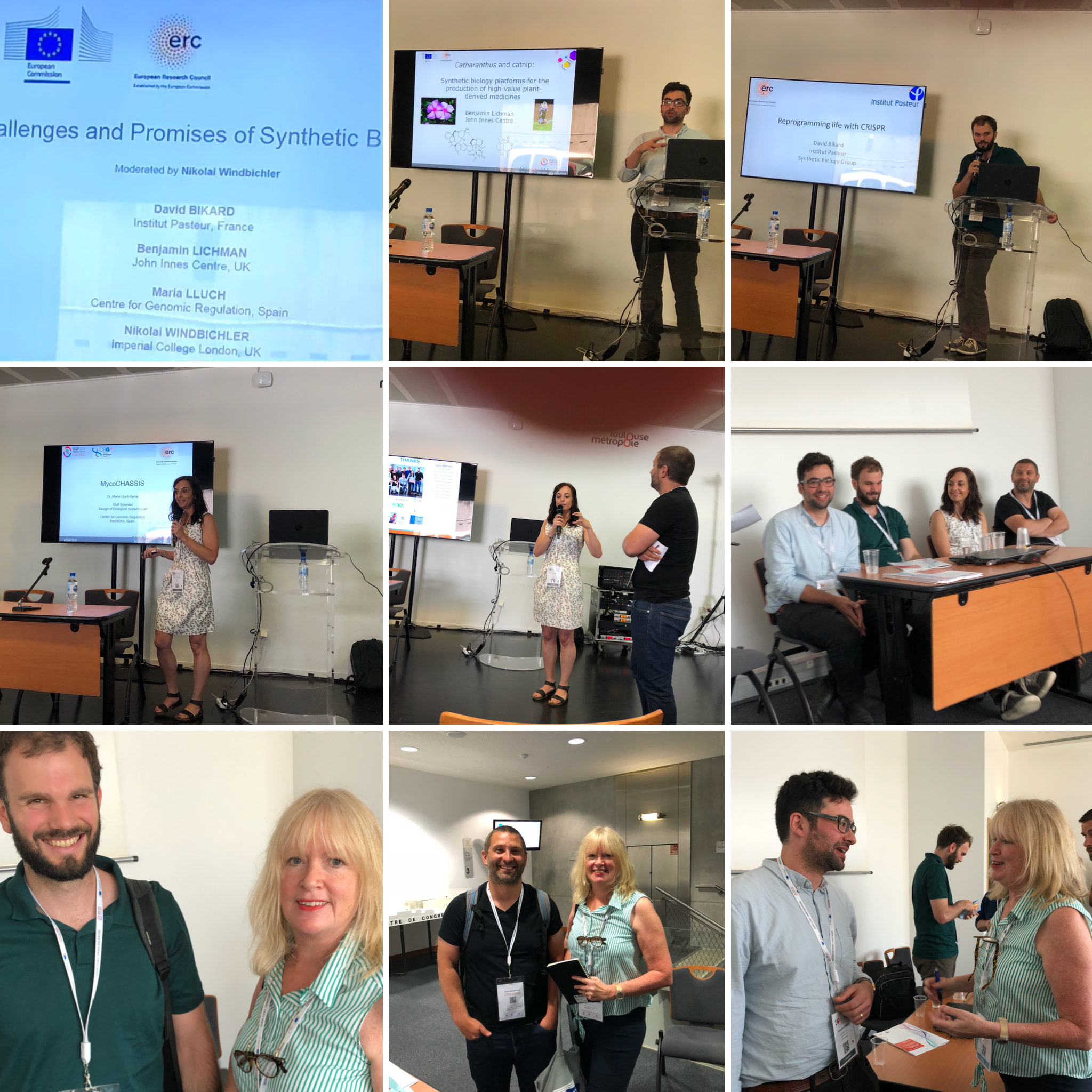
Photos taken at the EuroScience Open Forum in Toulouse, France: ESOF 2018 session on challenges and promises of synthetic biology and also the press conference

INTRODUCTION

In this blog article I am reporting on information shared and discussed at ESOF on the 13th of July 2018, and I am also sharing my thoughts with you on this fascinating and thought-provoking area of research.

There are 5 sections for you to browse or you can quickly scroll to those parts of most interest to you.

The sections are:

WHAT IS SYNTHETIC BIOLOGY?

EXCITING RESEARCH IN THIS FIELD – the science

WHY I THINK IT IS IMPORTANT TO DISCUSS THIS NOW

SUMMARY AND CONCLUDING REMARK

*FURTHER INFORMATION

WHAT IS SYNTHETIC BIOLOGY?
Synthetic biology aims to build artificial systems for innovative applications in biotechnology, medicine and bio-engineering. It also aims to answer some long-standing questions in biology.

Synthetic biology requires an interdisciplinary approach which can include biotechnology, molecular biology, genetic and chemical engineering, modelling systems and evolutionary biology.

EXCITING RESEARCH IN THIS FIELD – the science

Setting the scene – why has there been so much interest and news coverage in recent times? Synthetic biology has raised hopes for addressing some potential crises in nature such as species extinction, plastics in the oceans and the needs of society such as cheaper drugs, cleaner fuels and new organisms that could help reduce climate change by sequestering carbon from the atmosphere. These are big topics. Sometimes there is a risk of ‘hype’ and not every potential breakthrough will deliver. Nonetheless, there have been exciting advances and there are many promises and challenges.

There is a lot of potential to do good. For example, scientists are currently working to edit the genes of mosquitos to prevent them from carrying malaria. With the demonstration of the first gene drive system* and potential genetic control technologies for the malaria mosquito, gene-drive technology to speed the inheritance of specific genes has attracted interest from scientists. There is ongoing frontier research to develop biosynthetic tools for engineering genomes and pan-genomes (an entire gene set of all strains of a species) with precision.

Work in areas of synthetic biology does tend to raise questions about our relationship to the natural world. Issues of potential uncontrolled consequences should be addressed in designs.
There are also some ethical and societal concerns to consider including the potential for misuse and risks. Questions to the panel of researchers, and an open discussion with the session attendees and representatives of the media, were encouraged in the ESOF sessions.

Promises and challenges in three specific areas of frontier scientific research were presented and discussed further:

Medicinally active natural products from plants. We learned how, by understanding the science i.e. the biosynthetic pathways involved in making these products, it may be possible to harness the medicinal activity of these plant-derived molecules. Thus, with the discovery of the relevant plant genes and the biosynthetic pathways, scientists may be able to engineer micro-organisms to produces complex molecules that could be of pharmaceutical value. This could potentially facilitate the large scale production of new medicines. This is easier said than done.

CRISPR* systems and their application may enable scientists to better understand and fight pathogenic (disease-causing) bacteria; gaining further insight into bacterial genetics to develop increasingly effective medical treatments

CRISPR technology was adapted from a natural defence mechanism of bacteria (and archaea, another domain of single-celled microorganisms) where CRISPR has evolved to recognise viral DNA and fight off future invasive attacks of viruses.

There has been much recent excitement about the potential use of CRISPR technology as a simple yet powerful tool for gene editing in more complex organisms. Gene editing allows scientists to change gene sequences by adding, replacing or removing sections of DNA. CRISPR components can pinpoint DNA sequences within the gene which is to be altered. Then an enzyme called Cas9 snips through the DNA changing it or allowing it to be replaced by another stretch of DNA that is introduced at the same time. This can either replace a faulty gene with a healthy one or change a gene to make it behave differently. `

At ESOF 2018 we learned about some exciting frontier research ‘putting the CRISPR back in bacteria’ and investigating other repair systems in bacteria in conjunction with CRISPR to develop new and efficient tools for bacterial gene editing. This type of work could be potentially useful for novel approaches against infections; particularly relevant in view of the issue of Antibacterial Resistance, which is a real threat now and of increasing concern.
For example, we heard about research using CRISPR tools for reprogramming in order to target antibiotic resistant genes and achieve the sequence specific killing of virulent (harmful) members of a microbial population, and immunising avirulent (not virulent) members.
 In this way sequence-specific antimicrobials could be potentially delivered by a bacteriophage (a virus that infects and replicates within bacteria). Clinical trials to develop such antimicrobials could face many regulatory issues.

MYCOCHASSIS
Engineering bacteria to deliver therapeutic agents or to present antigens (substance that causes the body to make an immune response against that substance) for vaccination is an interesting approach with potentially promising clinical application. However, a key challenge is the choice of bacteria to engineer for this use i.e. the ‘chassis’ you use.

Mycoplasmas are small and relatively simple bacteria that are good candidates for ‘chassis’ design. The ‘MYCOCHASSIS’ project is using a genome-reduced bacterium Mycoplasma pneumonia (M. pneumonia). This project is ‘combining bioinformatics, -omics, and biochemistry approaches with genome engineering tools, systems biology analyses, and computational whole-cell models’. (See further information below*)

The goals of ongoing research are to engineer M. pneumonia and characterise this chassis (using in vivo models i.e. whole living organisms). Further work is needed to address the potential development of a ‘chassis’ to treat human lung diseases. It is an area with promises and challenges.

WHY I THINK IT IS IMPORTANT TO DISCUSS THIS NOW
There is an increasing focus of synthetic biology on biotechnology and medical applications for very good reasons. There have been important advances in synthetic biology, notably in gene-editing techniques. It is an area of fascinating science – with many potential benefits. It is a fast changing field with new reports emerging frequently – including new promising initiatives, challenges and concerns. Furthermore, advances in one field may also have exciting implications in other fields. It is important to keep track of challenges and opportunities.

Questions relating to any emerging issues in biological engineering need to be discussed and as with other new developments in science and technology, risk-benefit assessment and monitoring is important for decision making.

Synthetic biology should address the needs of society as well as being in accordance with societal values and ethics. Development of new medicines and creation of synthetic DNA and forms of life are highly relevant to us all. I think the purpose should be for the good of humankind. There will, however, be different viewpoints of what is ‘good’ and discussions could be highly contentious – better to proceed with an eyes wide open approach.


There will need to be appropriate regulations and safeguards against misuse (intended or unintended) particularly with such very fast moving technology, which in some cases could become easily and widely available.

It is likely there will be unexpected breakthroughs, which may be pursued and lead to effective solutions. On the other hand, some may be considered too risky. There will be different opinions, and debates will continue. Possible implications for society, including questions, risks and opportunities need to be openly discussed.

There are concerns about the possibility of criminal activity and manufacture of illegal drugs using engineered organisms. For legal medicinal products a shift toward more equitable and globally distributed pharmaceutical production could be a beneficial and worthy goal. However, there would be concerns around the potential disruption of existing manufacturing markets and raw material supply chains, and new makers could disrupt pharmaceutical markets.

The reversibility of a genetic technology will depend on its interplay with biological, ecological and social environments. Some people consider gene drive techniques too risky to become the technique of choice. Although it may appear promising, it may not necessarily provide the best option to address a particular targeted challenge.

If, in the future, we are faced with an urgent necessity, the type of research done now to characterise potential solutions, may be very useful and enable a more rapid development of a solution. Ongoing research is exciting not only for its potential applications but also in advancing our knowledge and understanding of fascinating areas of biology and understanding in life sciences.

SUMMARY
The three presentations and open discussions between the panel and audiences provided a valuable insight into the field of synthetic biology. Some specific and exciting advances in ongoing work were described; along with promises and also challenges. There were opportunities for open discussion covering specific and general questions.

CONCLUDING REMARK
This frontier research has many promises and also many challenges. 
It is fascinating science and has enormous potential.

……………………………….

*FURTHER INFORMATION

CRISPR is an acronym for Clustered Regularly Interspaced Short Palindromic Repeats.
Short animation videos:
What is gene editing and how does it work?
(Published on 4 Oct 2016 Produced by the Royal Society in conjunction with Wellcome Trust)
Genetic Engineering and Diseases – Gene Drive & Malaria (Kurzgesagt – In a Nutshell Published on 21 Sep 2016)

Some further reading:
’20 emerging issues in biological engineering’ Wintle et al. eLife 2017;6:e30247. DOI: https://doi.org/10.7554/eLife.30247

‘Exploiting CRISPR-Cas nucleases to produce sequence-specific antimicrobials’ David Bikard et al Nature Biotechnology 32,1146–1150(2014)
‘Defining a minimal cell: essentiality of small ORFs and ncRNAs in a genome-reduced bacterium’Lluch-Senar M et al. Mol Syst Biol. 2015 Jan 21;11(1):780. doi: 10.15252/msb.20145558.

UKRI exhibition: epigenetics and more…

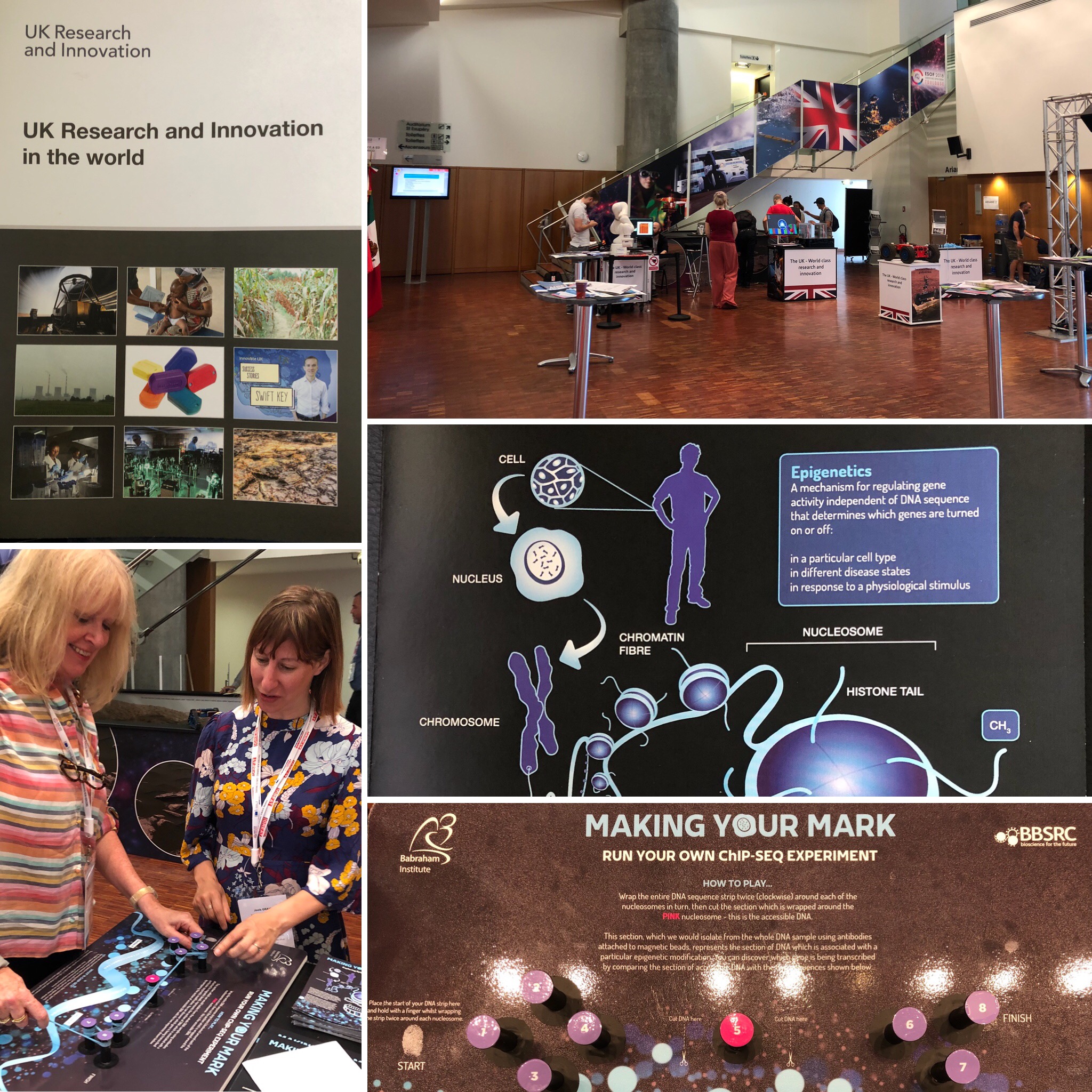
Look what I came across in the exhibition hallway – UKRI making its mark! It was a chance to hear more about this new ‘entity’ and to discuss interesting ongoing research in many different fields.

Photos taken at the July 2018 EuroScience Open Forum Toulouse, France

I just couldn’t resist the chance to play with a hands on activity relating to epigenetics – a fun approach to understanding science.

Have you ever wondered how every cell of your body has the same DNA but is not doing the same thing and cells are doing different things at different times?

‘All of your body’s roughly 50 trillion cells contain the same genetic information encoded within your DNA. DNA is interpreted differently in each cell type due to epigenetics, a collection of chemical marks that affect how genes behave. As such, epigenetics is part of what allows each part of your body to do different jobs.’

‘UK Research and Innovation (UKRI) is a new entity that brings together nine partners to create an independent organisation with a strong voice for research and innovation’

More about UKRI here
More about work in this area at the Babraham Institute, Cambridge,UK.

by Dr Julie Charlesworth

Back to the labs and forward to a new generation of researchers…

I enjoy interacting with early-career researchers and mentoring students in order to understand their current challenges and aspirations; to share my career experiences and tips; and to support and encourage PhD students. Such students have so much potential!

Back to the labs

I gladly took up a recent invitation to meet and talk with researchers in the field of cancer research, in Manchester (UK).

There are so many opportunities ahead for them!

by Dr Julie Charlesworth