Open Science in a Pandemic: Some Learning Shared at ESOF2020

Open science, and in particular data sharing to improve research, has long been a theme of the EuroScience Open Forum (ESOF). Most recently, a session at ESOF2020 discussed some learning from experience in the current Covid-19 pandemic. A link to the recording of the session ‘Open science in time of pandemics: the experience of the Research Data Alliance WG on COVID-19’ is provided below*.

Starting in March 2020, over a 3-month period several working groups were formed and many people were brought together to address the challenges of data sharing in the pandemic. It was an advantage that the Research Data Alliance (RDA) already existed (since 2013). There was also some collaboration between the RDA and the EOSC group (European Open Science Cloud – an infrastructure currently being developed). It was an intense 3-month period resulting in the release of a document produced to record and share the learning so that others can be more prepared in future. Key steps that were identified include the listing of data that can be trusted and the setting of standards for describing and defining data. An important consideration is that undue influence by any one particular jurisdiction should be avoided because the pandemic is affecting everyone and in many different ways.

The ESOF session included discussion of the kinds of collaboration needed. Cross-disciplinary interaction is very important in a pandemic because of the need to look at many different aspects. International aspects also need to be taken into account. Tools need to be able to quickly find out what is of use in such times of emergency. We may need better systems and infrastructure to handle pandemics in the future. Global problems have the challenges of harmonisation, and this might be facilitated by the development of appropriate frameworks.

The session also aimed to increase awareness of the existence of the document ‘RDA COVID-19 Recommendations and Guidelines on Data Sharing’ (reference below**)

A message for the future: Data sharing is possible and there are ways to do it; progress has been made because of this pandemic.

by Dr Julie Charlesworth 23/11/20

Sources and further reading:

ESOF2020 Press Conference September 2020

*ESOF2020 session ‘Open science in time of pandemics: the experience of the Research Data Alliance WG on COVID-19’

**RDA COVID-19 Working Group. Recommendations and Guidelines
on data sharing. Research Data Alliance. 2020. DOI:
https://doi.org/10.15497/rda00052

AMR and Lessons from Current Covid Pandemic

It is World Antimicrobial Awareness Week (November 18 – 24, 2020).

The danger of antimicrobial resistance is something we have been aware of for years. However, it often takes a specific event or a simple communication to jolt us as individuals to action. This is a subject I have posted about several times before here.

‘Antimicrobial resistance (AMR) occurs when bacteria, viruses, fungi, and parasites resist the effects of medications, making common infections harder to treat and increasing the risk of disease spread, severe illness and death.’ WHO*

‘The unchecked growth of drug-resistant infections is a silent pandemic with long-term implications for global health’ GARDP*

We are in this together and hopefully we can share the learning from the covid pandemic to address future challenges.

by Dr Julie Charlesworth 18/11/20

*
GARDP (Global Antibiotic R&D Partnership)
WHO (World Health Organization)]

Professional communicators and writers – doing the right thing and now!

It is great to see professional groups, networks, forums, associations, companies, institutes, agencies and individuals – speaking out or just getting on with it! Many science, medical, health and medcomms communicators and writers are doing the right thing by promoting and supporting high standards and working with transparency, openness, timeliness and integrity. There were already some long-term proponents of such causes and many more are now rising to such challenges which are even more important in these troubled times.

I made a call out some 6 months ago, which was very well-received. The points are still very pertinent…

‘To the professional communicators in science particularly life sciences, clinical research and medicine. Now is the time to get it right. Now is a good time for you – to write. Too right it is because:

Science writers and medical writers can:
· help with results interpretation and provide appropriate language and wording.
· improve the writing quality.
· speed up the processes of trial and regulatory document development.

Science, medical and medcomms communicators can:
· call out the fake, inaccurate and poor reports.
· improve the quality of messages and conclusions in communications.
· facilitate understanding and evidence-based decisions.

And these are just some of the ways…

You know the need is there and you can help. So, tell them!’

I wrote this message and posted it to my networks on LinkedIn and more publicly (early in the pandemic and again more recently).

I am proud to know a lot of good people out there who are doing the right thing.

by Dr Julie Charlesworth 02/11/20

International collaborations in research and communications are so important!

.

The current coronavirus issues exemplify this message.

Antibacterial resistance (another subject I have posted about previously) continues to be a major issue where such approaches are very important.

More recently, I hope you have also read the short articles I wrote (and posted here on this website and on LinkedIn) that refer to the value of international collaboration, interdisciplinary approaches and open communication. The articles focus on and link to two recent publications on population health intervention research (PHIR).

I think it is valuable (and also challenging) to be open to a more holistic approach whilst being rigorous and scientifically sound. Future projects may benefit from more partnerships and collaborations.

by Dr Julie Charlesworth

The Winter Collection

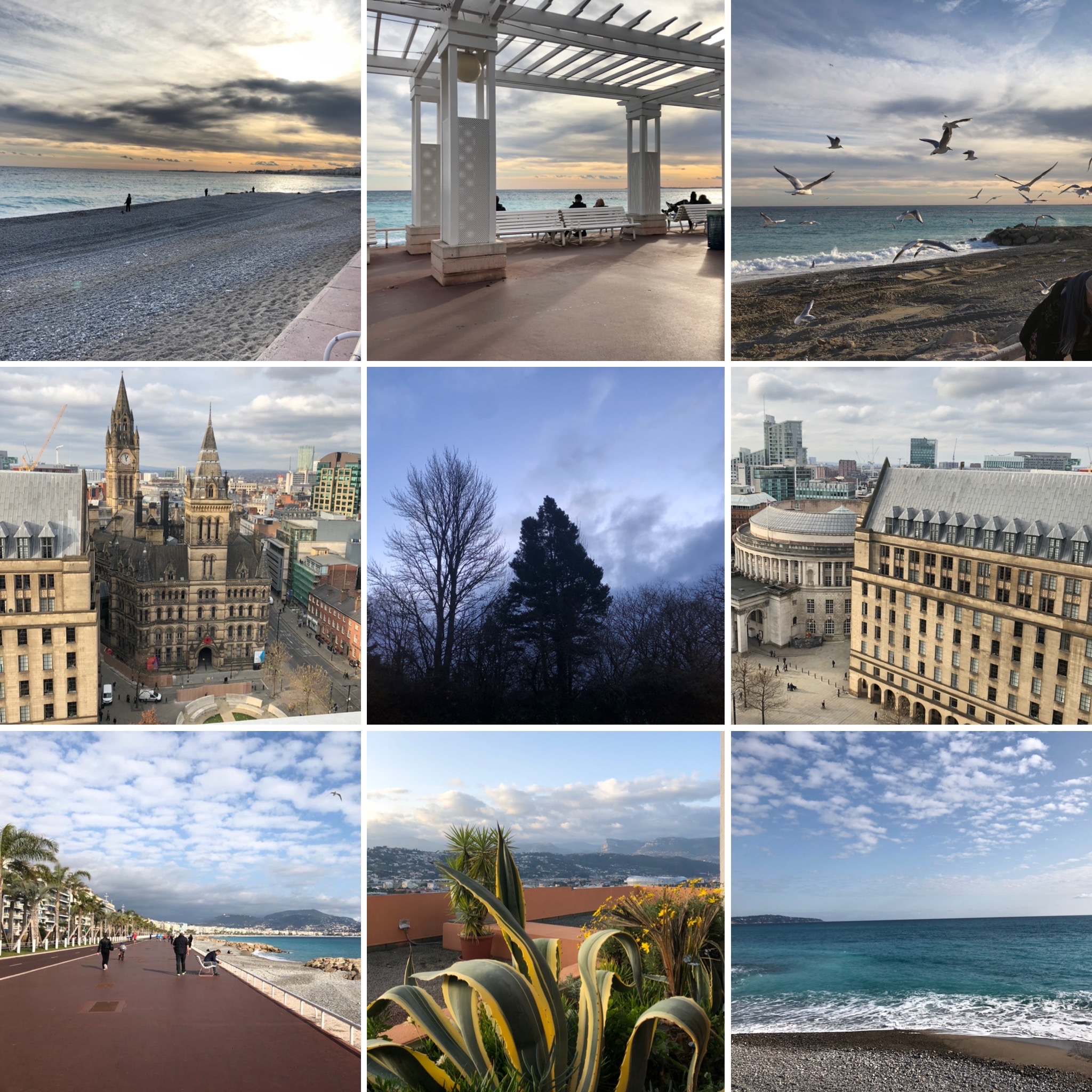
I just wanted to share some moments of reflection, captured in snapshots I have taken over the winter. Here’s to freedom and flexibility; working on what you want and where you want.

The photos are Manchester city centre; an evening shot from a car park in Cheshire just south of Manchester; and some coastal views in Nice, France.

Sometimes it feels good to pause, take a breath and appreciate the different shades of winter in places where we find ourselves. Beyond traditional winter scenes the winter colour palette can be cool and deep, and also diverse.

Take care – the weather is wild and unpredictable at times these days. Here’s to clearer skies and calmer times…

by Dr Julie Charlesworth 12.3.20

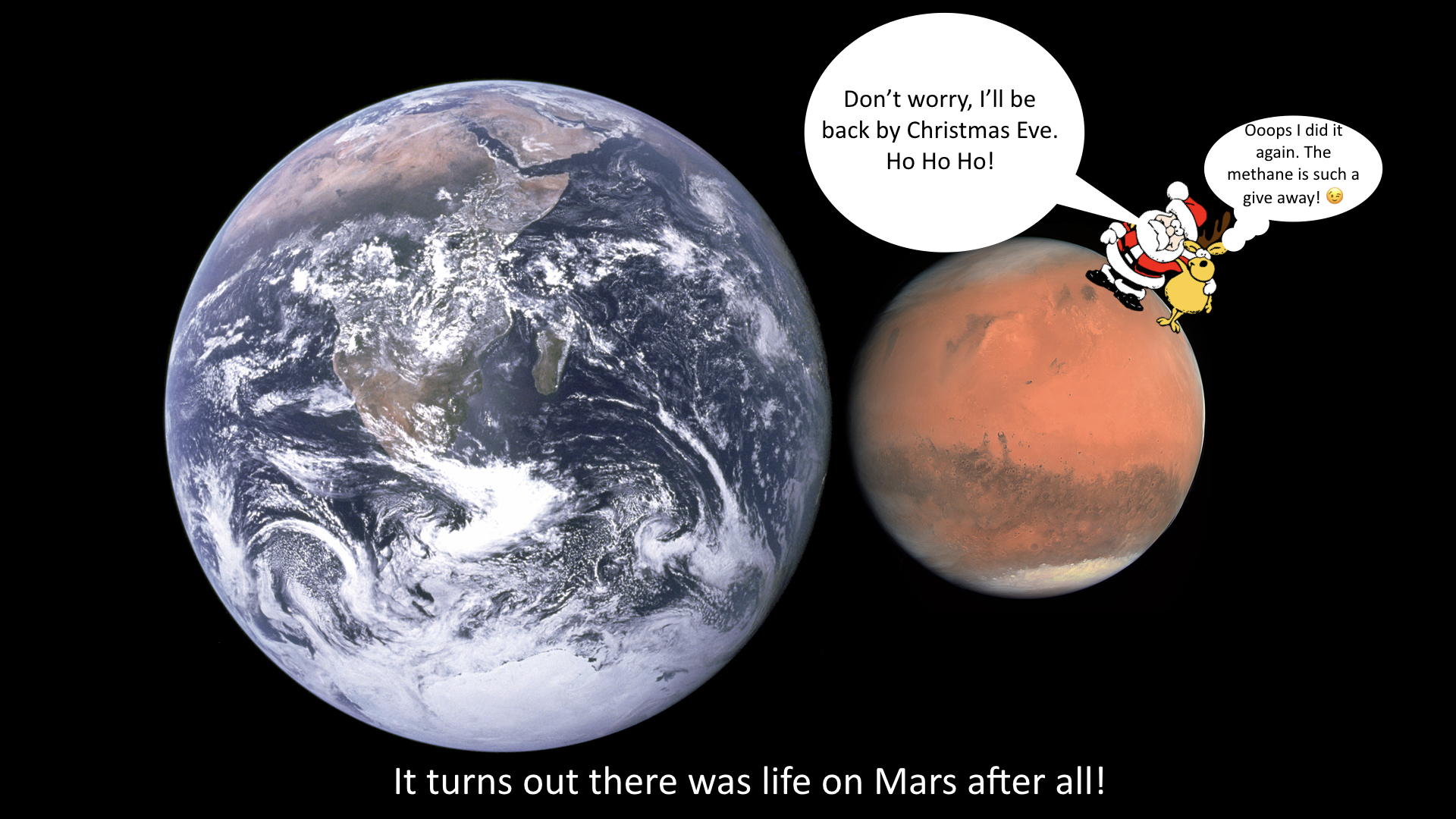
Holiday Message December 2019

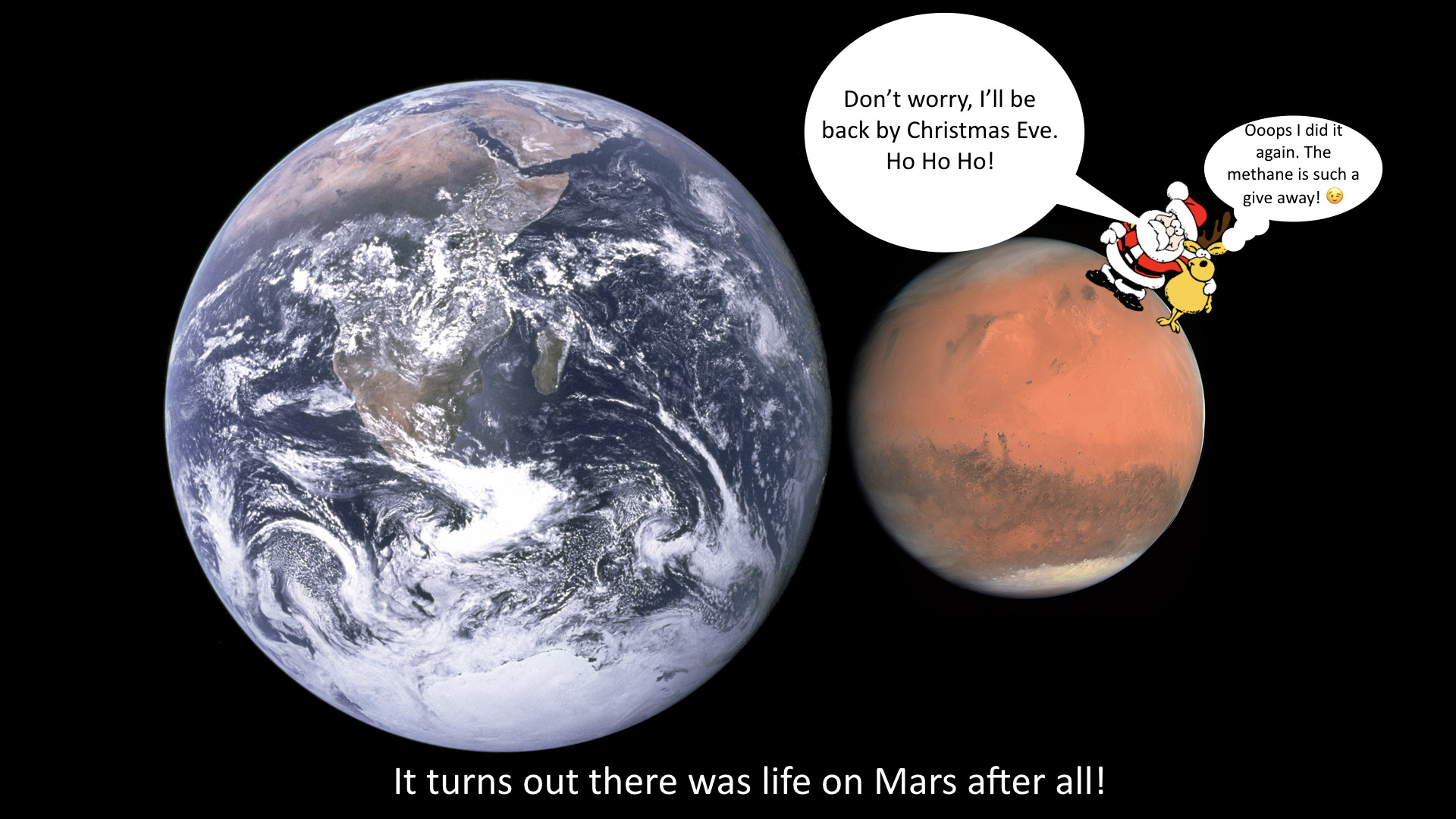
Here’s to successful serious science and the joys of discovery and communication. Wishing everyone a Merry Christmas, Happy Holidays, Peace and Perspective in this hectic run up period. Take care and have fun fellow Earthlings ❤️🌎⭐.
And here’s a little something I made earlier …..
(Well, I tried and had fun playing )😂

Dr Julie Charlesworth

More publication news: PHIR and the place of theories

I am delighted with the news that another paper I am a co-author on has just been published (open access).
Publisher: Springer Nature
Journal: Trials

“Population health intervention research: the place of theories”
Authors: Graham Moore, Linda Cambon, Susan Michie, Pierre Arwidson, Grégory Ninot, Christine Ferron, Louise Potvin, Nadir Kellou, Julie Charlesworth, François Alla and Discussion Panel.

To access to this publication, click here

Involvement in this international collaborative project and open access publication is in keeping with my personal values, and those of A Tree of Life Sciences in “transcending borders and boundaries” in high value projects.

by Dr Julie Charlesworth

Reference
Moore et al. Trials (2019) 20:285 https://doi.org/10.1186/s13063-019-3383-7

See also a previous post about different publication of which I am also a co-author:
Thabane et al. Trials (2019) 20:309 https://doi.org/10.1186/s13063-019-3422-4

January Science Reflections – 3 pertinent points

With all that is happening in Europe and the UK these days, a few flashbacks to the summer of science 2018 come to mind – I already covered some highlights of the EuroScience Open Forum (ESOF) in posts I wrote from July to September 2018. Below are 3 additional take home thoughts which seem particularly pertinent now.

Reflections: photos taken at EuroScience Open Forum 2018 in France

1. When people get together, things happen – collaboration and cooperation in science is healthy and productive.

2. Open science and reproducibility of results can enhance trust in scientific findings.

3. Science is serious but scientists can be playful and science communication can be playful too on occasions – ‘Science Rocks!’

Presentations at the meeting and subsequent papers have certainly sparked wider discussion and progress e.g. Europe’s scientific publications: Plan S and its objective of full open access to publicly funded scientific publications.

The challenges of Open Access and Medical Publishing are also currently the subject of much debate.

***

More posts on ‘ESOF2018’
Overview
Frontier research
UK Exhibition

Further reading:
Useful website on Medical Publishing

Holiday Message

Here’s to successful serious science and the joys of discovery and communication.
Wishing everyone a Merry Christmas, Happy Holidays, Peace and Perspective.
Take care and have fun fellow Earthlings ❤️🌎⭐

And here’s a little something I made earlier …..
(Well I tried and had fun playing)😂